We offer a professional inspection of your premises. Please call us now on
0203 393 2338
Get rid of fleas
Fleas are a very common problem, usually the pet brings them home, you treat them so the fleas jump off. The pet is now toxic to the fleas so we are next. It just requires all the right things being done and it will soon be a distant memory. Keep scrolling to learn more about the issue and contact us.
Contact us to talk further
The 4 steps to dealing with Fleas
Below are the steps in more detail
Identify
First you need to identify what the pest is which is bothering you, be it fleas or bed bugs or mites etc.
Book a treatment
Time is of the essence, more eggs can be laid everyday so call us now
Prepare for it
There are a number of things to do to get ready for a treatment, click below to learn more
After the treatment
There are some do’s and don’ts for after to follow, click below to learn more
Identify
The aim of this section is to help you to identify what you have to make sure that it is actually fleas.
To the left is a video from National Geographic which will give you more information
This is a video from National Geographic which will give you more information and allow you to see what the bugs look like. Click on the image start the video.
Bugs and Bites
Below is a number of images of what the bugs and bites look like. Click on the titles below to make the sections move and show you the images and learn more.
Identify the Bugs you have
If you recognise the bugs in the images as what you have then don’t waste time, call us now. If not have a look in the fleas or mites section or contact us.
If you are still not sure what is going on just call us to arrange a free inspection.
Lifecycle
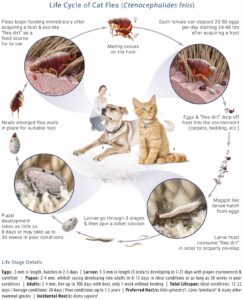
This image shows a flea egg, then each stages of development from hatchling to adult .
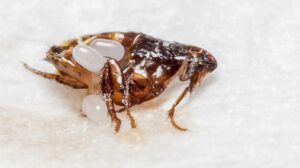
Flea with eggs
This image shows a flea with eggs on it.
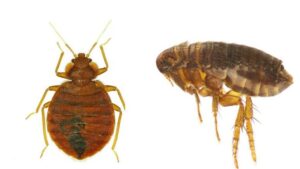
Difference between a bed bug & flea
This is a good example of the difference between a bed bug (left) & flea (right). If your bug looks like a bed bug either call us to chat or click on the bed bugs page.
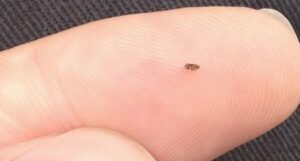
Flea on finger for scale
Here is an image of a flea on a finger to give you scale for what you are looking at. If it doesn’t look like this either search our pages for bed bugs or mites or call us to chat further.
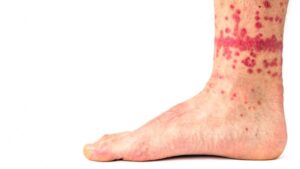
Example of flea bites
This is a good example of flea bites with the reaction, a lot of people might not be as bad as this though. Notice how there is more of a concentration around the top of where the sock was. Fleas will tend to bite from the knees down as they hop about.
Identify the Bugs you have
If you recognise the bugs in the images as what you have then don’t waste time, call us now. If not have a look in the fleas or mites section or contact us.
If you are still not sure what is going on just call us to arrange a free inspection.
Lifecycle
This image shows a flea egg, then each stages of development from hatchling to adult .
Flea with eggs
This image shows a flea with eggs on it.
Difference between a bed bug & flea
This is a good example of the difference between a bed bug (left) & flea (right). If your bug looks like a bed bug either call us to chat or click on the bed bugs page.
Flea on finger for scale
Here is an image of a flea on a finger to give you scale for what you are looking at. If it doesn’t look like this either search our pages for bed bugs or mites or call us to chat further.
Example of flea bites
This is a good example of flea bites with the reaction, a lot of people might not be as bad as this though. Notice how there is more of a concentration around the top of where the sock was. Fleas will tend to bite from the knees down as they hop about.

What are they
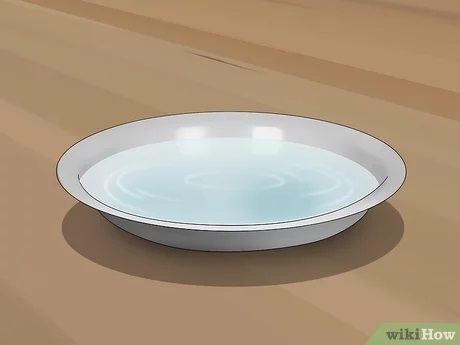
If the pet has been treated they lay their eggs against furniture and skirtingboards and hop about after you. As they follow you it can be confusing which room has the most activity. NOTE – if you put out bowls/trays with water as they hop about they can get stuck and drown, this means you can inspect them to confirm it is fleas.
Where can I find them?
Below is a number of images with examples of hiding places. Click on the titles below to make the sections move to learn more.
Flea Traps
If the pet has been treated they lay their eggs against furniture and skirtingboards and hop about after you. As they follow you it can be confusing which room has the most activity. NOTE – if you put out bowls/trays with water as they hop about they can get stuck and drown, this means you can inspect them to confirm it is fleas.
Book a Treatment
If you have identified that you have them then don’t delay, call us now or have us call you. The longer you wait the more eggs can be laid and the longer you have to endure getting bitten.
Prepare for a treatment
Ok so you have booked a treatment, what do you need to do to prepare for you and to help us?
Tidy up & vacuum
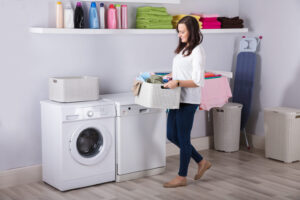
As we need to spray every patch of floor throughout the property any non furniture items (ie bags, shoes, kids toys etc) need to be off the floor (leave sofa clear).
Mop the floor
Mop the floor especially the edges with water as hot as you can get it to help kill some of them and the eggs. It is important to get the water well over 60 degrees as the water can start to cool down so we need it at temperature when it reaches the eggs.
Wash clothing, bedding and pet bedding at 60 degrees
It is important to wash clothing, bedding and pet bedding at 60 degrees as this kills anything lurking inside. We can’t treat these items so it is essential otherwise they will stay alive and the treatment won’t be successful.
Pets out for 2 hours
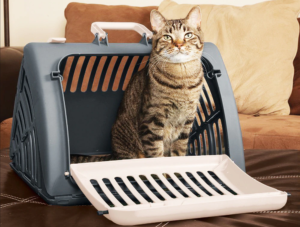
As all insecticide treatments are not recommended to have people or pets inside during, plan to take your cat out or take your dog for a walk whilst it is in process. It’s completely safe once they re-enter.
Be ready to vacate
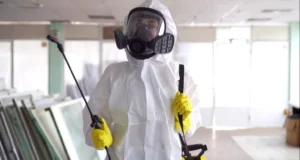
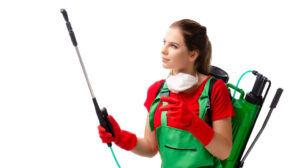
As all insecticides require a P3 grade respirator during application, you will need to vacate the property, you can re-enter the house 1 hour after the treatment is completed, so factor in being out for around 2 hours in total.
What is our treatment process
This will give you information about what is our special treatment process.
Our Treatment Process
Most companies use just one, our treatment process consists of 4 steps – inspecting (making sure correct pest), heat (mopping), long life insecticide and breeding & egg development control.
|
First step is lookingWe are one of the few companies to actually take the time to check to make sure that it is the right pest we are treating first so the process is correct |
|
MoppingBy you mopping before hand you will assist in reducing the amount of fleas and eggs left so the issue will be gone quicker |
|
We use the best Long Life Insecticide insecticide for fleas on the marketThe difference between shop bought products and professional products is mostly the residual effect (long life). Ours lasts for 2 months with maxium effort for around 2 weeks. We would expect a refresh after 2 weeks. The ability for fleas to develop a resistance is the lowest with our product and the most effective at killing them. |

|
We use insect growth regulators or (IGR’s)We are big on using science and technology as anything clever to help our customers get rid of pests quicker and keep them gone has to be a good thing. IGR’s remove the ability for them to grow and mature normally and stop their ability to breed or some eggs not even able to hatch. Our product lasts for up to 5 months to help keep it gone afterward! |
First step is looking
We are one of the few companies to actually take the time to check to make sure that it is the right pest we are treating first so the process is correct
Mopping
By you mopping before hand you will assist in reducing the amount of fleas and eggs left so the issue will be gone quicker
We use the best Long Life Insecticide insecticide for fleas on the market
The difference between shop bought products and professional products is mostly the residual effect (long life).
Ours lasts for 2 months with maxium effort for around 2 weeks. We would expect a refresh after 2 weeks.
The ability for fleas to develop a resistance is the lowest with our product and the most effective at killing them.
We use insect growth regulators or (IGR’s)
We are big on using science and technology as anything clever to help our customers get rid of pests quicker and keep them gone has to be a good thing.
IGR’s remove the ability for them to grow and mature normally and stop their ability to breed or some eggs not even able to hatch.
Our product lasts for up to 5 months to help keep it gone afterward!

After a treatment
A list of do’s and don’ts for after your treatment.

Airing-Do
Open windows & doors if you feel it is needed.

Washing-Do
Wash clothing and sheets once a week at 60 degrees.

Wash Pet Bedding
60 degrees will kill off any fleas or eggs

Sleep in Bed
Sleeping in the beds after is essential, bugs will not go if not

Don't enter
As insecticides need to settle do not enter until 1 hour after treatment.

Don't Vaccum
It is important to not disturb the insecticide once down for 3 weeks, so hold off vaccuming.

Don't Mop
It is important that the insecticide once down is not disturbed, don't mop for 3 weeks.

Don't miss treatments
Usually this is caused by forgetting the pet flea treatment.
Frequently Asked Questions
Below are some frequently asked questions with answers to hopefully answer most of the things you want to know.
Yes, our treatments are safe. All bait is put into areas where you cannot access it and there is only risk if you consume it. If you choose a proofing appointment then you can request that no poison bait is used.
Rodents will live under properties in burrows in the soil as their behaviour tells them to do. They come in for food and nesting material (shredded paper or plastic bags) to line nests with but then leave to go back to safety. Our homes with us and pets are fraught with danger for them so they sneak in and out at night.
Usualy not no, most mice in houses are the house mouse rather than the field mouse. These live in and travel between buildings, so they are already in the walls and under the floors etc. They use the holes around pipes etc to get into your living areas.
Rodents are active during the evening, through the night and in the early morning. Due to this we do our rodent appointments (especially proofing programmes) typically during the hours of around 9-5 as we don’t want to risk trapping them in, only out.
Yes with the proofing programme we have a guarantee which is for 3 months. If there is to be a sighting you’ll know in roughly 7 days but 3 months is for peace of mind
Yes, especially worktops where food is prepared. As mice do not have waste control, it just falls out of them where ever they go, there is disease risk where ever they have been (which usually includes up on the worktops where you prepare food). Use antibacterial products for counter tops and floors etc.
Sometimes this is possible yes, call us to find out what the earliest available appointment is.
We use unmarked vehicles thereby not highlighting the reason for our visit. If anyone asks us we can say we are doing a little building work and not disclose anything.
Yes our service is insured for up to £10 Million of cover.
Yes we are RSPH Level 2 certified which is the highest level in pest management so you know you are in good hands.
Let's get in touch
Get us to call you back to talk more or book an appointment
We offer a professional inspection of your premises. Please call us now on
0203 393 2338