
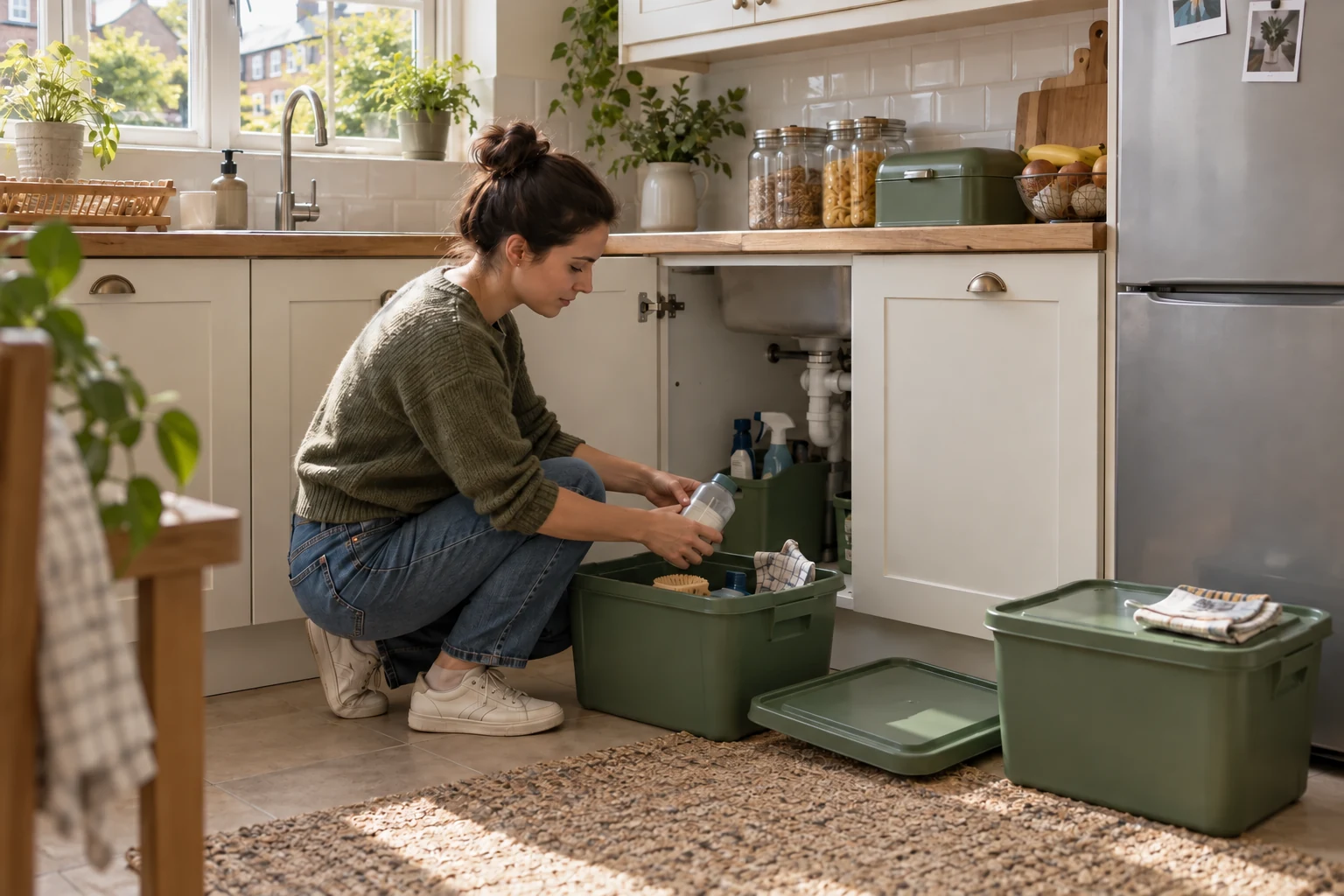
Preparation depends on the cockroach evidence and method proposed. Ask which cupboards, appliances, food areas and service routes need access; what must be removed or left in place; and which cleaning is required before and after the visit.
Prepare access without erasing the pattern
Record sightings, cast skins, egg cases or spotting by exact location and time. Clear only the areas named in the instructions. Do not move stock or small appliances into an unaffected room, and do not deep-clean every crack immediately before an inspection if evidence is still uncertain.
Protect food and food-contact items under the premises' normal hygiene procedure. Tell the technician about heat sources, water, drains, shared risers and activity behind equipment. BPCA identifies German and Oriental cockroaches among the common UK pest species; their different habits make identification relevant to the plan.
Ask what the treatment is meant to do
Request the product or non-chemical method, authorised use, placement or treated surfaces, exclusions and re-entry. If gel, monitoring or a residual product is proposed, ask what must remain undisturbed and for how long under the written instruction. Do not add retail sprays or cleaners that could change the treatment area.
Define follow-up evidence
Agree what staff or residents should record: date, room, life stage if identifiable and proximity to monitoring points. A sighting after the first visit is a follow-up fact, not automatic proof of failure. The technician should interpret it with monitoring results, access and preparation.
Call 0203 393 2338, or read the cockroach service page.
Frequently asked questions
Must every cupboard be emptied?
Only follow the room- and method-specific preparation supplied for the visit.
Can I spray insects seen after treatment?
Ask first. Another product may conflict with the agreed programme or obscure evidence.
What should a follow-up record contain?
Exact location, date, observation and any cleaning, product use or access change.
Sources and further reading
External references may contain pest or skin photographs.