
Get rid of Rats in your Home

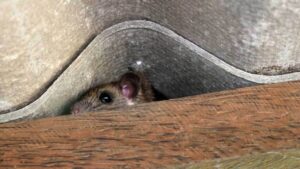
Getting rats in your home can be scary, especially as there is risk of spread of disease where they have been as well as the damage to electrics meaning fire risk when they chew wiring. Scroll down for more information about Rats and how we go about dealing with them.

A symbol representing our commitment: a 3-month warranty for pest control services.

Contact us to talk further

Please enable JavaScript in your browser to complete this form.

We offer a professional inspection of your premises. Please call us now on
0203 393 2338

Get rid of Rats in your Home

Getting rats in your home can be scary, especially as there is risk of spread of disease where they have been as well as the damage to electrics meaning fire risk when they chew wiring. Scroll down for more information about Rats and how we go about dealing with them.

A symbol representing our commitment: a 3-month warranty for pest control services.

Contact us to talk further

Please enable JavaScript in your browser to complete this form.

Identify

The aim of this section is to help you make sure that it is actually Rats. Click on the titles of the menu below to jump to a section.

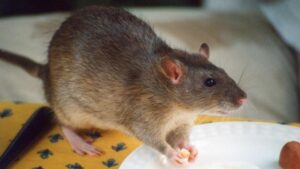
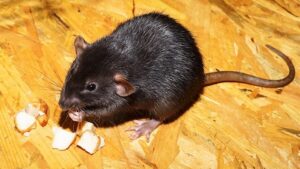
What type of Rat do I have?

Click below to see pictures and find out more

If you have a Rat stuck somewhere call us!

Sometimes you can have a rat stuck in a cupboard, bathroom, toilet or even just in your kitchen which we will need to dispatch first, if this is the case do not waste time, call us now!

Two options for Rodent Removal (Humane Option Available)

The standard 3 part baiting programme which all pest control companies offer or closing all the entry points to restrict access

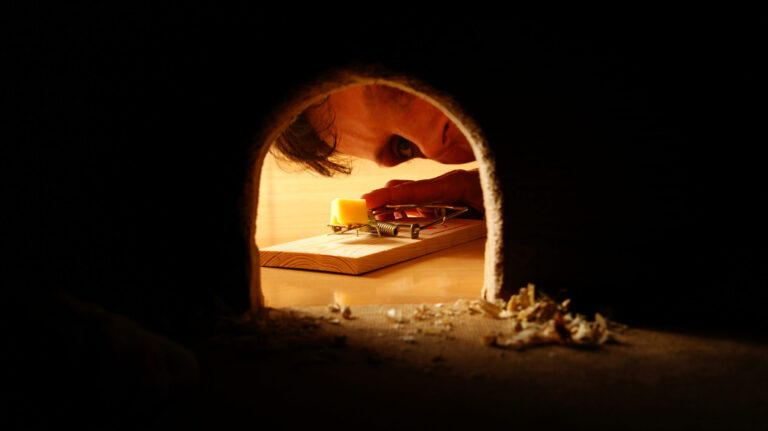
A person with a mouse trap is looking through a very confined space.

3 Part Baiting Programme

A 3 part baiting programme consists of 3 appointments to identify where rodents are getting in, using poison bait or traps to erradicate them until you have no rodent sightings.

Humane Proofing Programm

As rats only need a hole 20mm wide there are a variety of areas where rats can exploit this and get in. We seal off all these ways in to block them out.

Baiting Programme (Inside)

The standard 3 part baiting programme which every pest control company offers

How are they getting in?

Identify entry areas

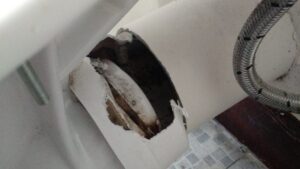
Firstly it is important to identify how rats are getting in, mostof the time they have come in either from the sewer and found a way in under the property or through a wall on the outside

Unfinished areas

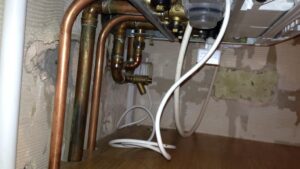
Areas not visible ie under kitchen units, boiler cupboards, behind appliences ie washing machines, understair cupboards etc builders don’t tend to ‘finish’ them leaving rodent access areas.

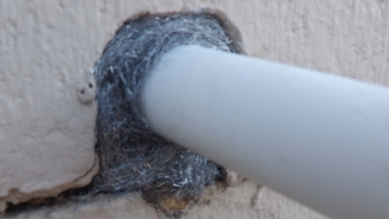
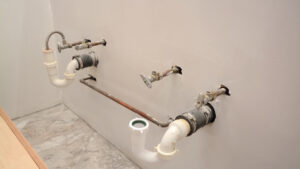
Around pipes

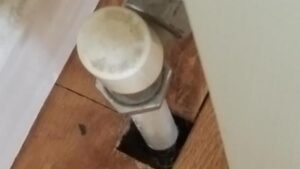
Most rooms, especially the kitchen, have pipes going through the wall and floor. Warm pipes provide warmth for them so following pipes lead them into various areas in the property. The kitchen has the most pipes and also unfished areas behind the scenes, this coupled with a food supply is why most people see rats in their kitchens. Also pipes in bathrooms are usual ‘hot spots’

Loft spaces

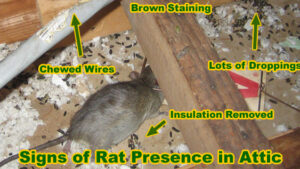
Rats love lofts as they are dark, quiet, full of warm insulation, the cavity walls tend to be open to accessing the loft and most importantly they tend to be left undisturbed for most of the year.

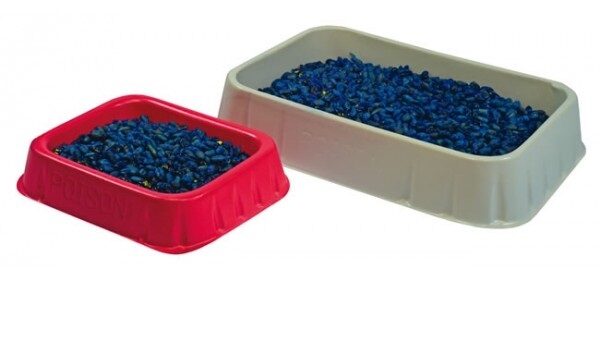
A pair of plastic bowls filled with blue food for rats

Visit 1 - Install bait trays or Traps

On our first visit we install bait trays or traps in the behind the scenes areas ie under/behind kichen units, boiler cupboards, understair areas etc.

A person with a mouse trap is looking through a very confined space.

Visit 2 - Replenish trays & relocate

The poison bait takes 5-6 hours from eating to expiry, triggering a behavioural instinct to head to the underground to sleep, meaning you don’t have to deal with a smelly rodent. We refill and move to where they’re seem the most.

a man and a woman posing for a photo indoors, likely in a kitchen. They are both smiling and standing.

Visit 3 - All Clear

This is the point where the population has been erradicated and all is quiet. Remember that if you are connected to other properties you’ve only got rid of mice in your property, it may return in the future if they still have a problem.

Baiting Programme (Outside)

The he standard 3 part baiting programme

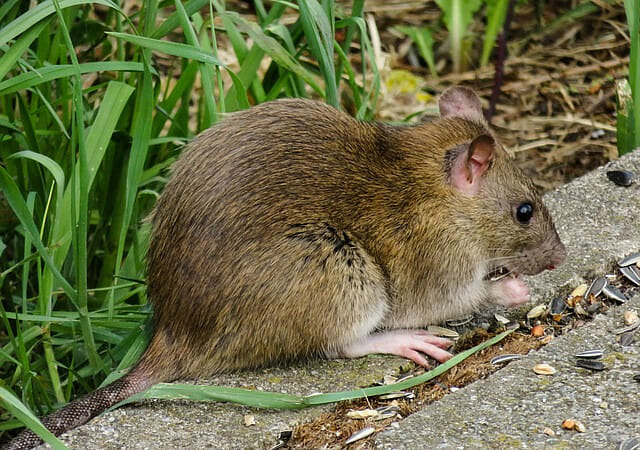
A rodent eating food in an outdoor in grassy area.

Where do I find them?

Are they living in your garden or just passing through

Rats will either be living in your garden (or under it) or living in a neighbours garden and just passing through. Rats need a water source (ie pond) so usually they have where they live/arrived and a garden for food and one for a water source, they might find all in one garden or move between them and yours could be inbetween.

Search for burrows

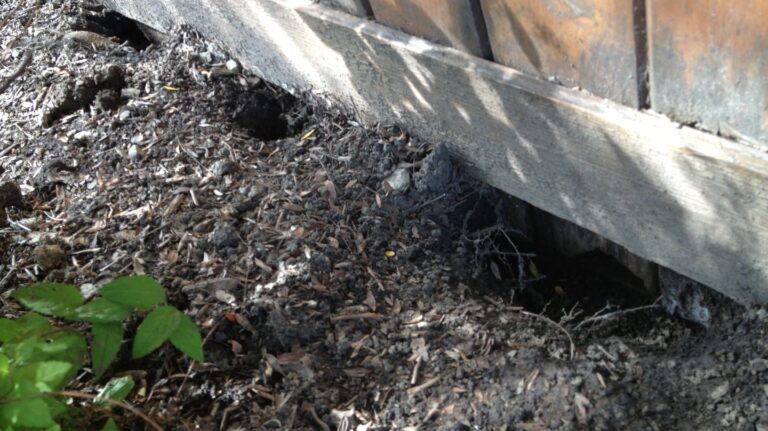
Most of the time they have come in from the sewer and you should find burrows in the ground either by a sewer drain or elsewhere in soil in flower beds, grass or even flower pots. Search the garden thoroughly to see what you can find.

Gnawings

Rat’s teeth grow constantly at a furious rate as their jaws are so strong they can accidently rip out/break a tooth. Due to this they must gnaw everything around them to keep them filed down. Check bottoms of gates, fences, decking, doors, anything wood at ground level.

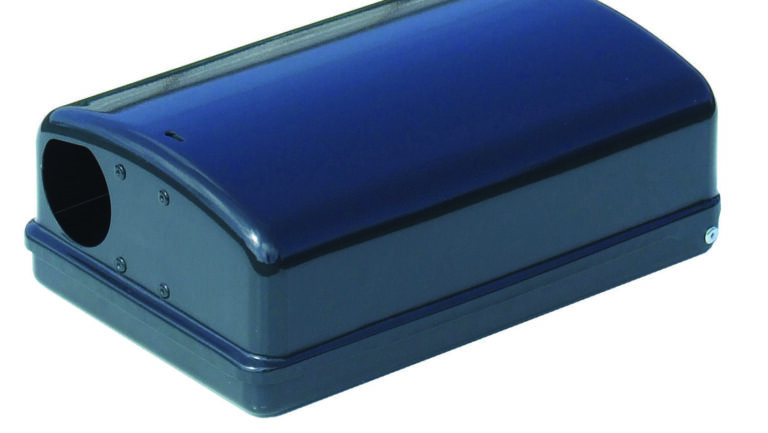
A blue container with a hole in one of its side

Visit 1 - Bait and backfill burrows, install boxes

On our first visit we bait burrows with poison grain then fill them over to bury it and/or install tamper resistant (pets can’t get to it) bait boxes to start erradicating them so they expire in the ground out of sight.

Visit 2 - Re-bait and backfill

We check for any new burrows, re-bait and fill them in again or replenish boxes

a man and a woman posing for a photo indoors, likely in a kitchen. They are both smiling and standing.

Visit 3 - All Clear

This is the point where the population has been erradicated and all is quiet. It will be important to make sure drains have been checked and you’ve spoken with neighbours to ensure the source is identified and remedied.

What to do post treatment

Ok so you’ve had your appointment, what do you need to do and not do to save making mistakes.

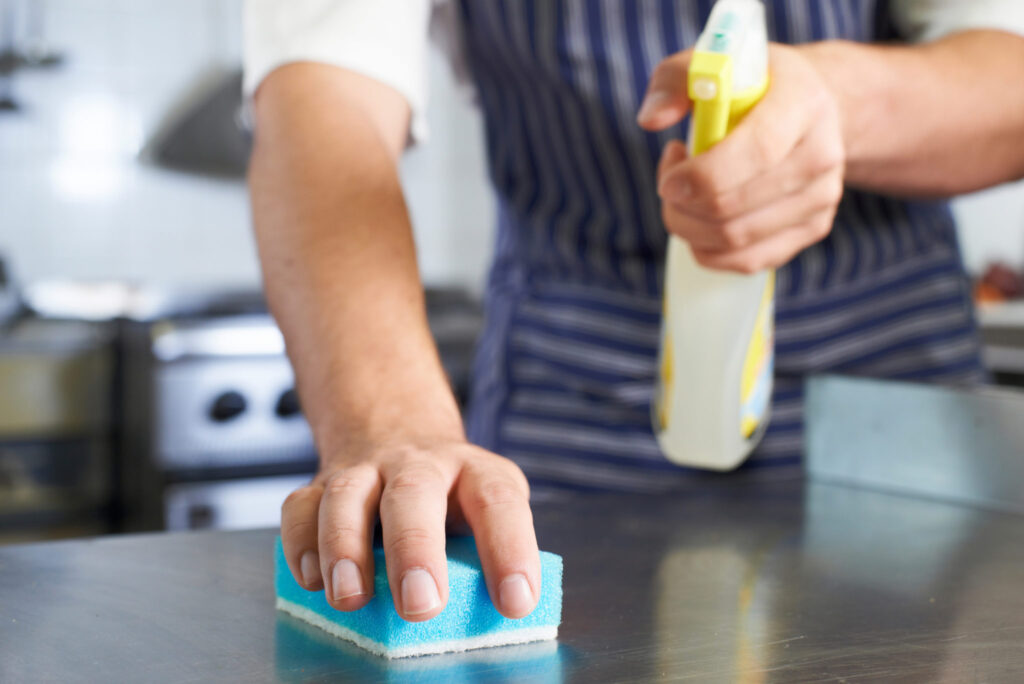
A person holding a sponge and a spray.

After your appointment

Wipe down kitchen work surfaces

As mice do not have waste control where they go they leave disease risk. Wipe down surfaces where you prepare food each day.

Keep food out of reach

We want rodents to eat only the poison bait we put out for them. If tasty food is left out for them this compromises what we are trying to do. Plastic boxes or out of reach are great options.

Don't touch or move what we leave

Rodents have a great sense of smell and neophobia, this means that they can smell us on the trays/boxes which might make them fearful of going near them. Also neophobia means fear of new things arriving in their environment, so if they keep moving they’re less likely to go for them.

Keep an eye out

Once activity ceases it is important to keep an eye out for the same tell tale signs of rodents. If the problem is spread through neighbouring properties we can be sufferring due to a neighbours issue, which if they are not dealing with it then it can come back.

Proofing Programme

For this solution remove the entry points they use to get into your property. They can’t get in to keep you safe.

Close-up of plastering material being applied to a mouse hole for pest control.

Sealing up of holes

By sealing up the holes they are using to get in you contain them to keep you and your family safe. (The underlying reason they are there will need to be dealt with to stop them coming back).

How are they getting in?

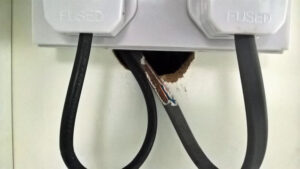
Rodents use a variety of ways to get into your living areas, most people say ‘but I don’t have any ways in’ which aren’t apparent until you look further. Here are some examples

Prepare for an appointment

Ok so you have booked an appointment, what do you need to do to prepare for you and to help us?

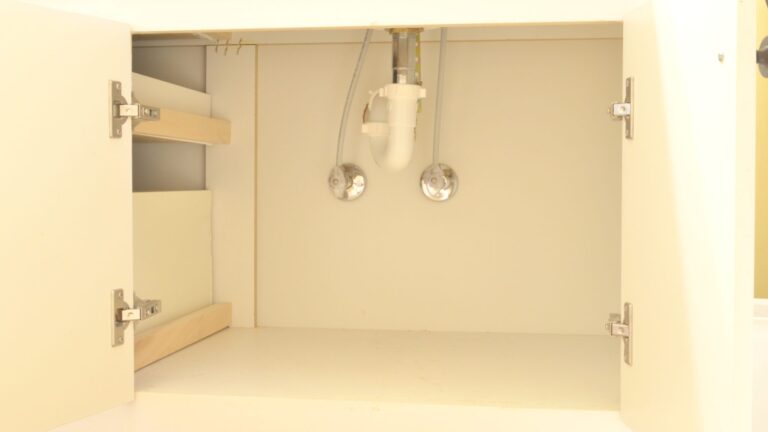
Clear under sink cupboards

Usually this is where pipes we need to access are so clearing out these and other relivant areas means we can get access to these key areas.

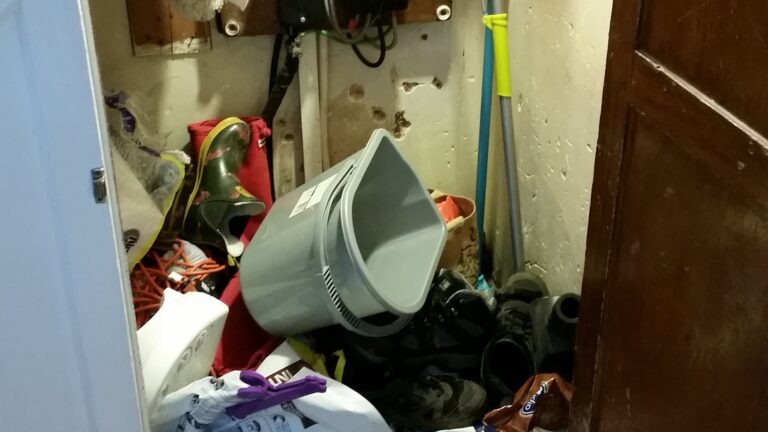
Clear areas for access

Areas like cupboards under stairs have gas pipes and electrical cables going through the floor. Emptying any areas which has pipes or cables as we will need access.

A shelf filled with various food items and storage containers. It features a variety of snacks and food displayed indoors.

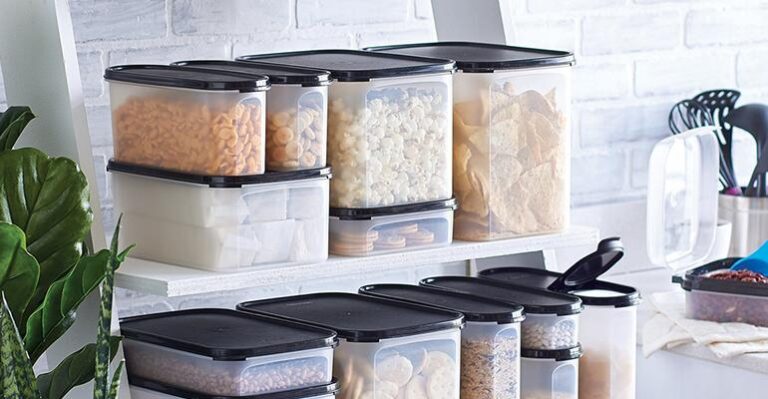
Put food away

All food which is not in packets or just areas you know rodents are getting to should be put either on high areas or in sealed boxes. Rodents can chew through packets so not giving them the option of tasty food will mean if your option involves poison bait they will only have this to eat.

What do to after a treatment

The aim of this section is to cover what you need to know for straight after a treatment as well as things not to do so you don’t make mistakes

A curious cat fixates on a mouse, capturing a moment of feline intrigue.

After your appointment

Wipe down kitchen work surfaces

As Rats tend to have come from the sewer, where they go they leave disease risk. Wipe down surfaces where you prepare food each day.

Don't worry about scratching noises

Just like if we’ve locked ourselves out they will try to get back in testing for weaknesses. Once they realise there is no way back in they move on and the noises will go away.

Don't make new holes

It is very important that if you have tradespeople around for any work (plumbers, handymen etc) that you insist on them not leaving any new holes when they do their work for obvious reasons. You don’t want them to cause you to have another rodent issue.

Frequently Asked Questions

Below are some frequently asked questions with answers to hopefully answer most of the things you want to know.

Our guarantee covers you for 12 months to make sure the nest is completely dead. If there are signs after our treatment just give us a call and we will come back and retreat that nest free of charge

No but as the wasps will be dangerous staying inside with the windows closed and doors closed is advised. You can if you prefer leave as we leave for a few hours.

This is true to an extent, wasps can detect the chemicals we release from our skin. When we have a panic response they can detect the chemical changes and will head for us sometimes. If you act calmly and don’t panic then there isn’t anything to cause the wasp to want to sting us so it will, most of the time, just move on. However this may not be everytime so it is best to avoid them and to let the professionals deal with them

Wasps are territorial and will usually not build their nest near another wasp nest. If the artificial wasp nest is hung early in the season before nest building starts it may convince the wasp to build somewhere else. However, insect exterminators have reported having several live nests in close proximity of one another. Not all wasps build their nest in isolation. So they do work, it isn’t a guarantee and we recommend more than one fake nest to do the job.

Normally wasps use a nest for one year. At the end of the year, all except the queen die. In spring the queen starts a new nest and rarely uses the old one. In some cases the wasps will either reuse an old nest or build a new nest right on top of the old one. They will not however use another colonies nest. So once the wasps have been killed off no other wasps will use the nest again.

No nests shouldn’t as it needs time to ensure that all wasps have been killed off so that it’s safe. Also as it acts as a deterrant it is quite useful for the dead nest to remain to ward off others.

Sometimes this is possible yes, call us to find out what the earliest available appointment is.

We use unmarked vehicles thereby not highlighting the reason for our visit. If anyone asks us we can say we are doing a little building work and not disclose anything.

Yes our service is insured for up to £10 Million of cover.

Yes we are RSPH Level 2 certified which is the highest level in pest management so you know you are in good hands.

Interesting Facts About Rats

Just for fun here are some interesting facts about Rats

Rats can fall 50 feet without injury; they can swim and tread water for 3 days without drowning

Rats take care of injured and sick rats in their group, without companiship they get lonely and depressed, have excellent memories. They succumb to peer-pressue copying behaviour of their peers (they’ve been known to eat unpalatable food if others are eating it) and lastly make happy ‘laughter’ sounds when they play.

They prefer to run away than confront threats which means less danger for us. They actually enjoy the company of humans.

If they have come from the sewer you can assume they are filthy and covered with disease. But pet rats for instance actually spend several hours grooming themselves and group members. Interestingly they are less likely to catch and transmit parasites and viruses than our cats and dogs.


They can go for longer periods without water than a camel which is impressive.


Have you ever seen an “eye-boggling” rat? The muscles controlling a rat’s jaws are very powerful, and anchored around the eye sockets, running behind the eyeballs. When a rat grinds his teeth, his eyeballs can vibrate in and out; this usually indicates pleasure and contentment.

Because their incisors never stop growing! Rats must gnaw (chew) on things constantly to wear their teeth down. If their teeth were allowed to grow unchecked, they would grow continuously in a spiral at an 86 degree angle, making it impossible for the rat to close its mouth or eat, resulting in death.


Their tails help them balance but also communicate and even regulate their body temperature.

Scientists now think that another rodent was to blame for the Black Death: gerbils. After examining the weather during that time period, the researchers determined that the wet conditions would have caused gerbils to flourish, not rats.

A group of rats is called a mischief. (Shouldn’t it be something more menacing? A flock of crows is known as a murder, after all.

Let's get in touch

Get us to call you back to talk more or book an appointment

Please enable JavaScript in your browser to complete this form.

We offer a professional inspection of your premises. Please call us now on
0203 393 2338

Scroll to Top