
 |
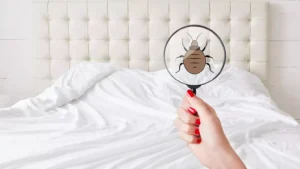
Identify the Bugs you haveIf you recognise the bugs in the images as what you have then don’t waste time, call us now. If not have a look in the fleas or mites section or contact us. If you are still not sure what is going on just call us to arrange a free inspection. |
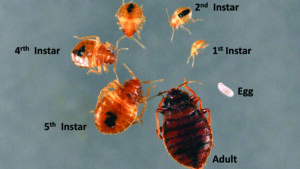 |
Bed Bugs at all stagesThis image shows a bed bug egg, then each stages of development from hatchling to adult (note they have to feed between each stage). |
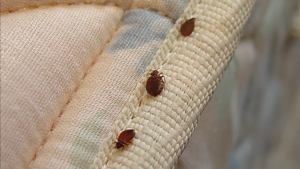 |
3 Bed Bugs on a MattressThis image for scale shows the adult bugs on on the seem of a mattress. |
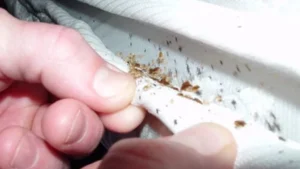 |
Bed Bugs from young to adultThis is a good example of where you might find the bugs on your mattress seams as it has hands for scale |
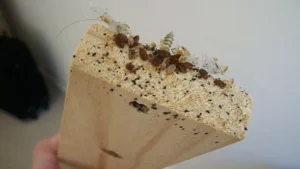 |
Wooden Bed SlatsVery often when we work on wooden bed frames they have chosen to set up shop on the wooden slats. Here is a great example of how on first inspection you might think it’s clear but on further investgation you find where a lot can be hiding. |
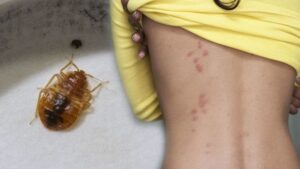 |
Example of bed bug bitesNotice how the bites are clustered almost in patterns. As they might not get a good flow the pull out and try again close by. This is why bites can be in clusters or lines. If you see this arrangement you do have bed bugs. |
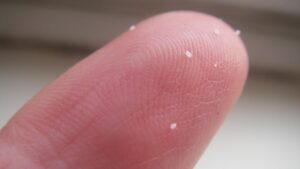 |
Example of bed bug eggsThis is a great example of bed bug eggs having the finger there for scale. As you can see they are very tiny so sometimes depending on if they are amongst bugs, blood or just into cracks they might be difficult to see. |
Identify the Bugs you have
If you recognise the bugs in the images as what you have then don’t waste time, call us now. If not have a look in the fleas or mites section or contact us.
If you are still not sure what is going on just call us to arrange a free inspection.
Bed Bugs at all stages
This image shows a bed bug egg, then each stages of development from hatchling to adult (note they have to feed between each stage).
3 Bed Bugs on a Mattress
This image for scale shows the adult bugs on on the seem of a mattress.
Bed Bugs from young to adult
This is a good example of where you might find the bugs on your mattress seams as it has hands for scale
Wooden Bed Slats
Very often when we work on wooden bed frames they have chosen to set up shop on the wooden slats. Here is a great example of how on first inspection you might think it’s clear but on further investgation you find where a lot can be hiding.
Example of bed bug bites
Notice how the bites are clustered almost in patterns. As they might not get a good flow the pull out and try again close by. This is why bites can be in clusters or lines. If you see this arrangement you do have bed bugs.
Example of bed bug eggs
This is a great example of bed bug eggs having the finger there for scale. As you can see they are very tiny so sometimes depending on if they are amongst bugs, blood or just into cracks they might be difficult to see.
 |
Where could they be hiding?The section of photos should help give you an idea of the places to be looking for them. |
 |
Variety of areasYou are looking for blood stains on sheets, droppings and eggs and also bugs themselves on: Beds, mattresses, furniture, curtains, skirting boards, picture frames and around door frames. As well as back and underneath of sofas. |
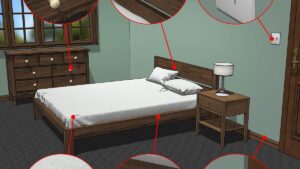 |
Areas in rooms they can hideBed Bugs can commonly go to – Bed frames (very common), mattresses, headboards (very common), bedroom furniture (very common), skirting boards (very common), light switches and power sockets. |
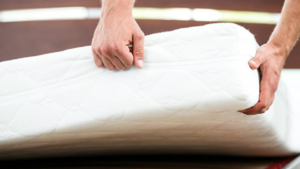 |
MattressCheck around the edges and seams of the mattress with a torch (on your phone is handy), especially around zips and tough seams. |
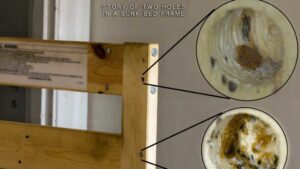 |
Recessed Screw HolesMost wooden bed frames have recessed screw holes in the frame and head board. Here is a fantastic example of how on first inspection you might think that it is clear, but after looking more closely you can see many bugs hiding in these difficult to find areas. |
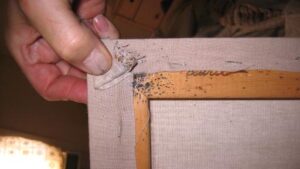 |
Picture Frames and Canvas PrintsBed Bugs can quite commonly head to photo frames and canvas prints when they are on the walls. Take them off to inspect very carefully to not allow them to fall off onto the floor or worse, your clothing. |
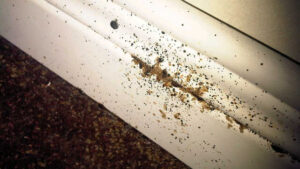 |
Skirting BoardsThis is an example of where bed bugs can hide when you pull the bed forward. Note that most appointments we attend bed bugs managed to get behind the skirting board and out of reach. |
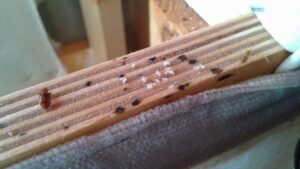 |
Bed Bugs Can Live And Transfer To Other People On SofasAs people will tend to hang out together on sofas and doze off it is very common for Bed Bugs to live in, behind or on the underneath of sofas. As their instinct is to transfer from person to person to spread it is an ideal area to do this. This picture is of the underneath frame of a sofa where they have laid a nest. |
Where could they be hiding?
The section of photos should help give you an idea of the places to be looking for them.
Variety of areas
You are looking for blood stains on sheets, droppings and eggs and also bugs themselves on: Beds, mattresses, furniture, curtains, skirting boards, picture frames and around door frames. As well as back and underneath of sofas.
Areas in rooms they can hide
Bed Bugs can commonly go to – Bed frames (very common), mattresses, headboards (very common), bedroom furniture (very common), skirting boards (very common), light switches and power sockets.
Mattress
Check around the edges and seams of the mattress with a torch (on your phone is handy), especially around zips and tough seams.
Recessed Screw Holes
Most wooden bed frames have recessed screw holes in the frame and head board. Here is a fantastic example of how on first inspection you might think that it is clear, but after looking more closely you can see many bugs hiding in these difficult to find areas.
Picture Frames and Canvas Prints
Bed Bugs can quite commonly head to photo frames and canvas prints when they are on the walls. Take them off to inspect very carefully to not allow them to fall off onto the floor or worse, your clothing.
Skirting Boards
This is an example of where bed bugs can hide when you pull the bed forward. Note that most appointments we attend bed bugs managed to get behind the skirting board and out of reach.
Bed Bugs Can Live And Transfer To Other People On Sofas
As people will tend to hang out together on sofas and doze off it is very common for Bed Bugs to live in, behind or on the underneath of sofas. As their instinct is to transfer from person to person to spread it is an ideal area to do this.
This picture is of the underneath frame of a sofa where they have laid a nest.





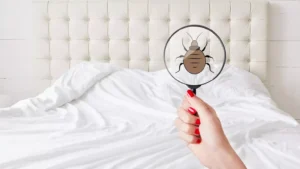 |
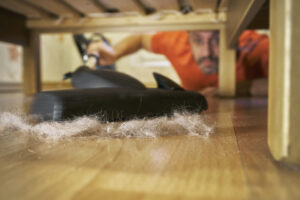
First step is lookingWe are one of the few companies to actually take the time to search all of the relevant places to find nesting sites and destroy them first. |
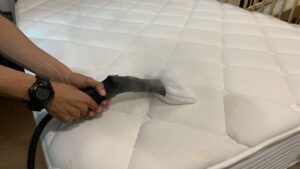 |
SteamingWe high pressure steam all affected areas. The heat comes out at 180 degrees so neither bugs or eggs survive. This ensures that the majority of the issue is removed at this point. |
 |
We use the best Long Life Insecticide insecticide for Bed Bugs on the marketThe difference between shop bought products and professional products is mostly the residual effect (long life). Ours lasts for 2 months with maxium effort for around 2 weeks. We would expect a refresh after 2 weeks. The ability for Bed Bugs to develop a resistance is the lowest with our product and the most effective at killing them. |
 |
We use insect growth regulators or (IGR’s)We are big on using science and technology as anything clever to help our customers get rid of pests quicker and keep them gone has to be a good thing. IGR’s remove the ability for them to grow and mature normally and stop their ability to breed or some eggs not even able to hatch. Our product lasts for up to 5 months to help keep it gone afterward! |
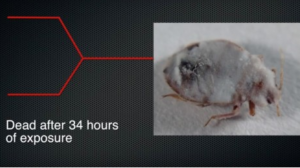 |
Gel which removes the waxy coating and causes rapid dehydration & deathWe use a special advanced non-toxic safe gel/powder which removes the waxy protective coating on the outside of the bug to cause rapid dehyration and death. The amazing two things about this product are that they are safe/chemical free and lasts when undisturbed for 10 years! |
First step is looking
We are one of the few companies to actually take the time to search all of the relevant places to find nesting sites and destroy them first.
Steaming
We high pressure steam all affected areas. The heat comes out at 180 degrees so neither bugs or eggs survive. This ensures that the majority of the issue is removed at this point.
We use the best Long Life Insecticide insecticide for Bed Bugs on the market
The difference between shop bought products and professional products is mostly the residual effect (long life).
Ours lasts for 2 months with maxium effort for around 2 weeks. We would expect a refresh after 2 weeks.
The ability for Bed Bugs to develop a resistance is the lowest with our product and the most effective at killing them.
We use insect growth regulators or (IGR’s)
We are big on using science and technology as anything clever to help our customers get rid of pests quicker and keep them gone has to be a good thing.
IGR’s remove the ability for them to grow and mature normally and stop their ability to breed or some eggs not even able to hatch.
Our product lasts for up to 5 months to help keep it gone afterward!
Gel which removes the waxy coating and causes rapid dehydration & death
We use a special advanced non-toxic safe gel/powder which removes the waxy protective coating on the outside of the bug to cause rapid dehyration and death.
The amazing two things about this product are that they are safe/chemical free and lasts when undisturbed for 10 years!

Airing-Do
Open windows & doors if you feel it is needed.

Washing-Do
Wash clothing and sheets once a week at 60 degrees.

Under Beds
Keep these areas clear and empty during the process.

Sleep in Bed
Sleeping in the beds after is essential, bugs will not go if not

Don't enter
As insecticides need to settle do not enter until 1 hour after treatment.
Don't Vacuum
It is important to not disturb the insecticide once down for 3 weeks, so hold off vacuuming.
Don't Mop
It is important that the insecticide once down is not disturbed, don't mop for 3 weeks.
Don't Leave
One of the biggest mistakes people make is leaving the rooms empty.