
THE CITY PEST COMPANY · LONDON
Pest-control articles and practical advice
Browse City Pest articles about bed bugs, household pests, proofing, preparation and safe next steps.
Browse the articles
Choose a topic to learn what to record, what to avoid and what to ask before agreeing work. A guide cannot diagnose a pest at your property.
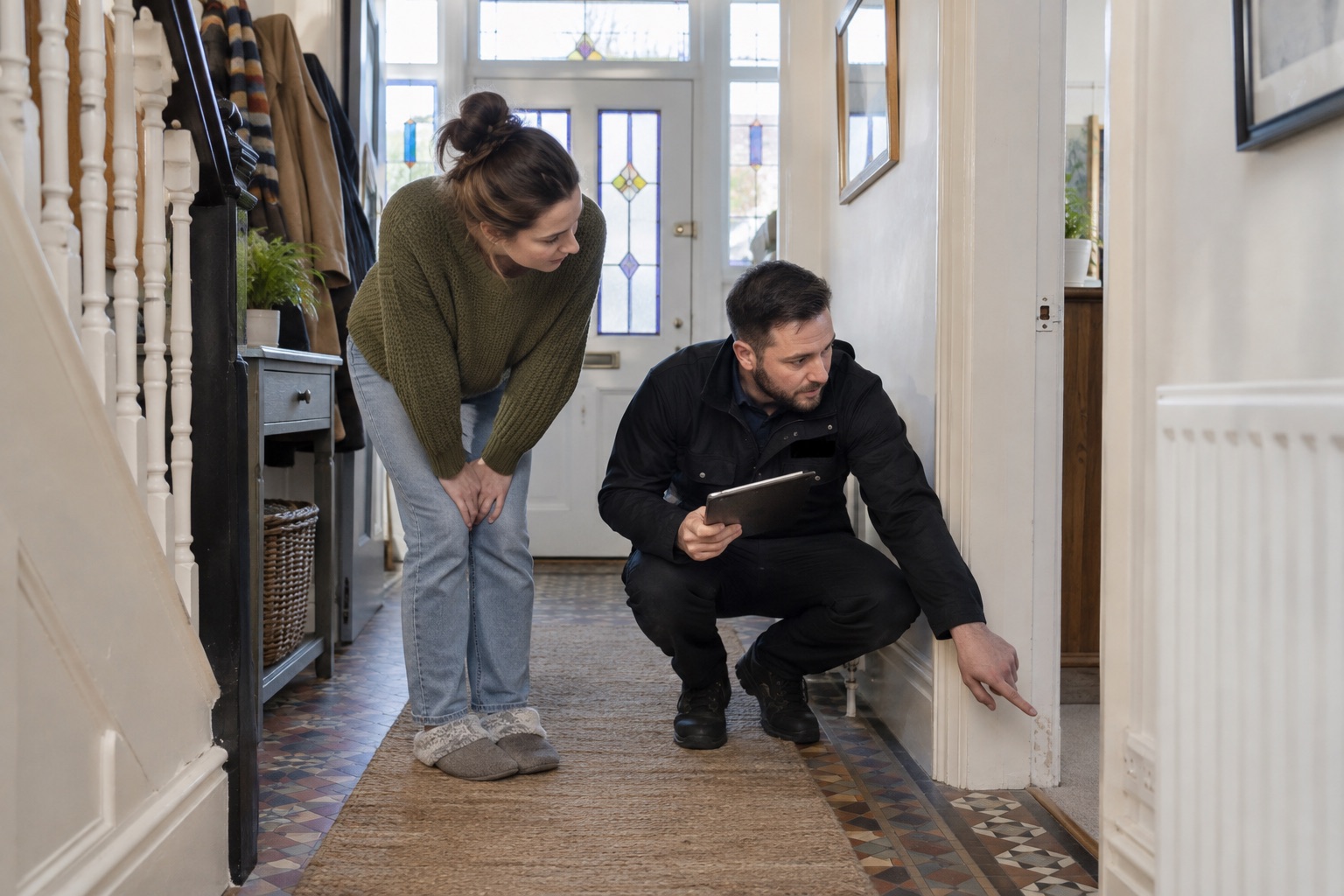 Small signs of a pest problem: what to record before you callAn unfamiliar sound, mark or damaged packet can make a home feel uncertain. A useful first response is to write down exactly what was observed, where it appeared and when. That gives a technician something more reliable than a guessed diagnosis.Read article →
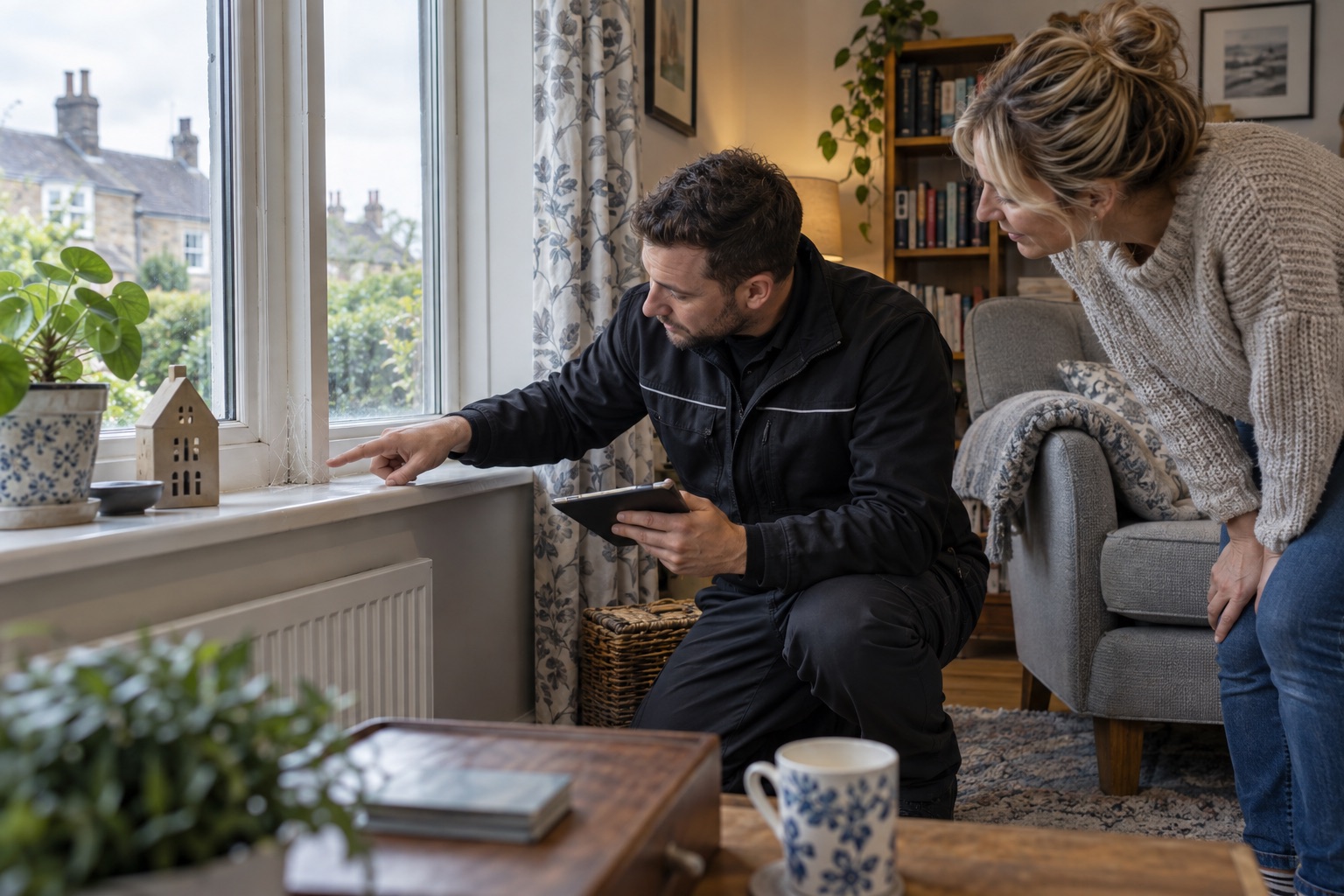 Spiders in the home: when to seek help and what to checkSeeing a spider indoors does not establish an infestation. Many household spiders enter or become visible without a persistent problem. If sightings are frequent or concentrated in one area, note the location and the conditions around it.Read article →
 Pigeons at a property: assess the site before choosing proofingPigeon activity can affect roofs, ledges, balconies and access areas differently. A photograph of the location and a note of when birds are present help separate a passing visit from a repeated roosting problem.Read article →
 An unfamiliar insect in your London home: start with identificationA small insect in a kitchen, bathroom or near a window can be easy to misname. Treatment chosen for the wrong pest may waste time and obscure the evidence. Start with the insect and its setting.Read article →
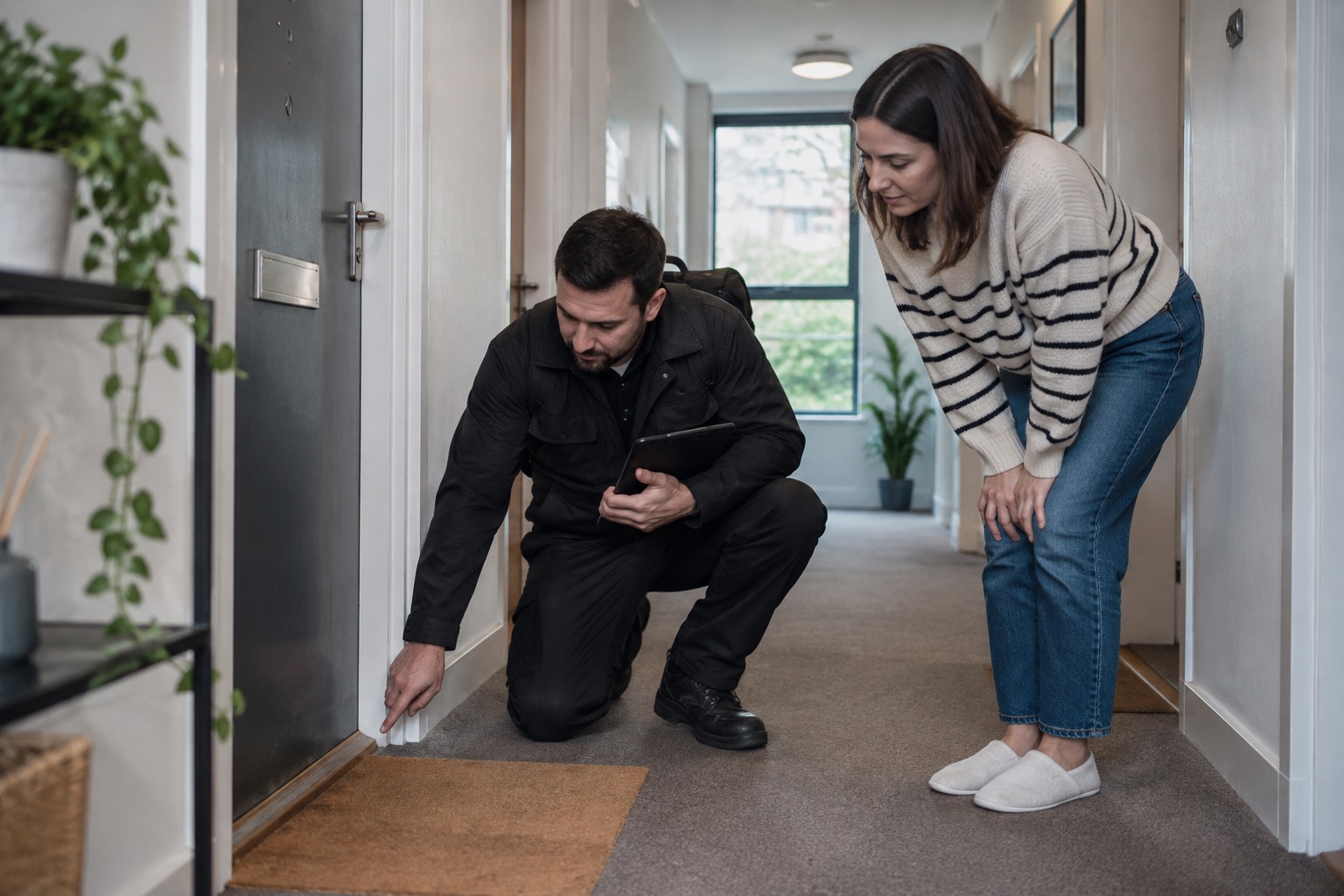 Pharaoh ants in a flat: why identification mattersA trail of very small ants in a flat is not enough to identify pharaoh ants. Different species and building layouts call for different responses, so a careful identification should come before a treatment plan.Read article →
 DIY or professional pest control: how to compare the full costThe cheapest product on a shelf is not the same thing as a priced plan for a property. A fair comparison includes identification, time, access, materials, follow-up and the risk of treating the wrong pest.Read article →
 Fruit flies in a clean kitchen: find the source firstA clean-looking worktop can still have a small source of fruit-fly activity. Fermenting produce, recycling, a spill beneath an appliance or a waste container may need closer inspection.Read article →
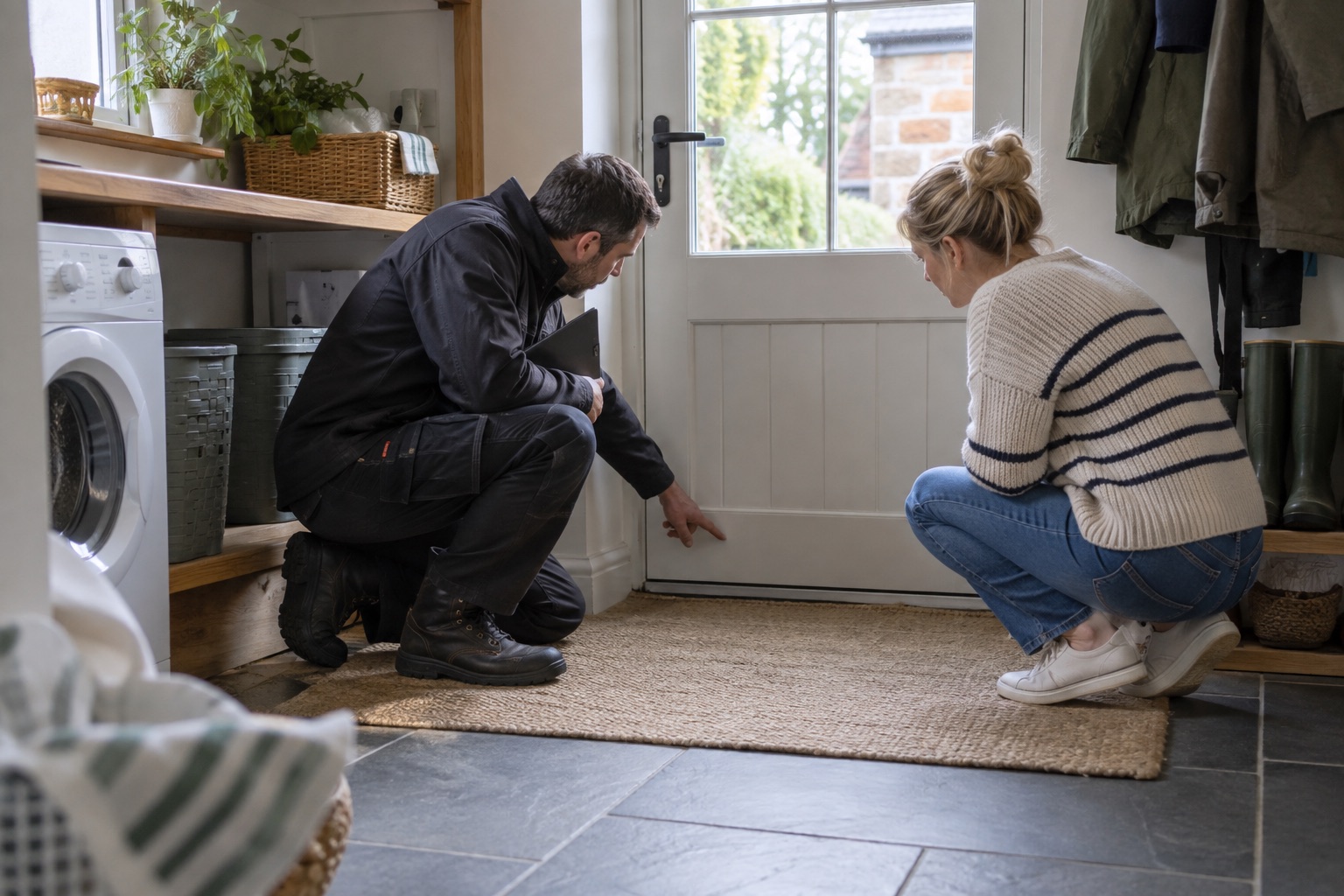 Natural pest control: what prevention can and cannot doGood prevention starts with the pest, entry route and food or shelter it may be using. Sealing an appropriate gap, managing waste and keeping relevant areas accessible can reduce opportunities, but a generic “natural” remedy is not a diagnosis.Read article →
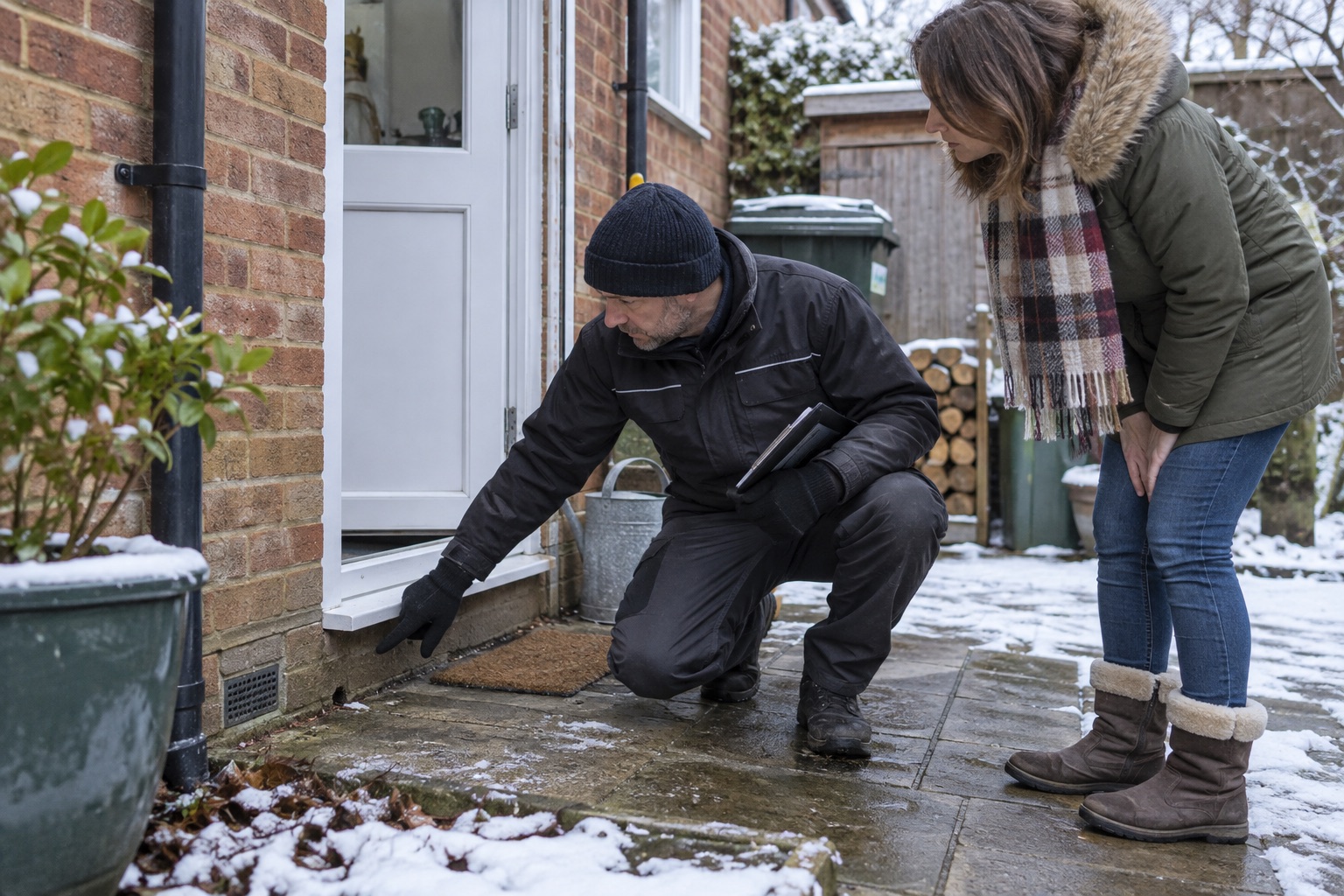 Rat activity in winter: what to check around a homeColder weather can make outdoor signs more noticeable, but a winter sighting does not tell you where a rat is nesting. Keep the observation precise: place, time, direction of travel and any accessible damage.Read article →
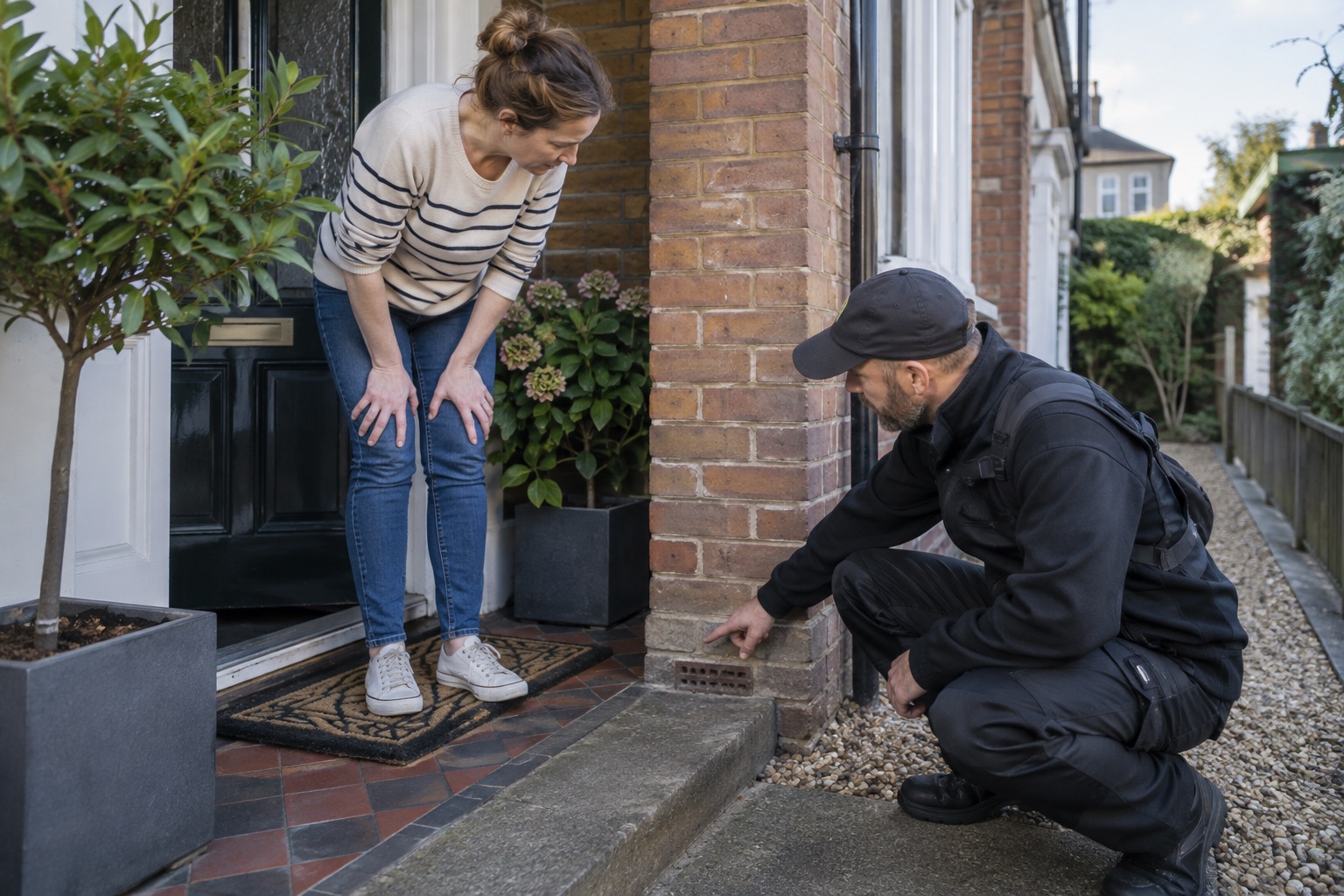 Why a pest problem may recur after treatment nearbyA neighbour’s treatment history can be useful context, but it cannot diagnose your property or explain every new sighting. The species, access routes and work completed in each space all matter.Read article →
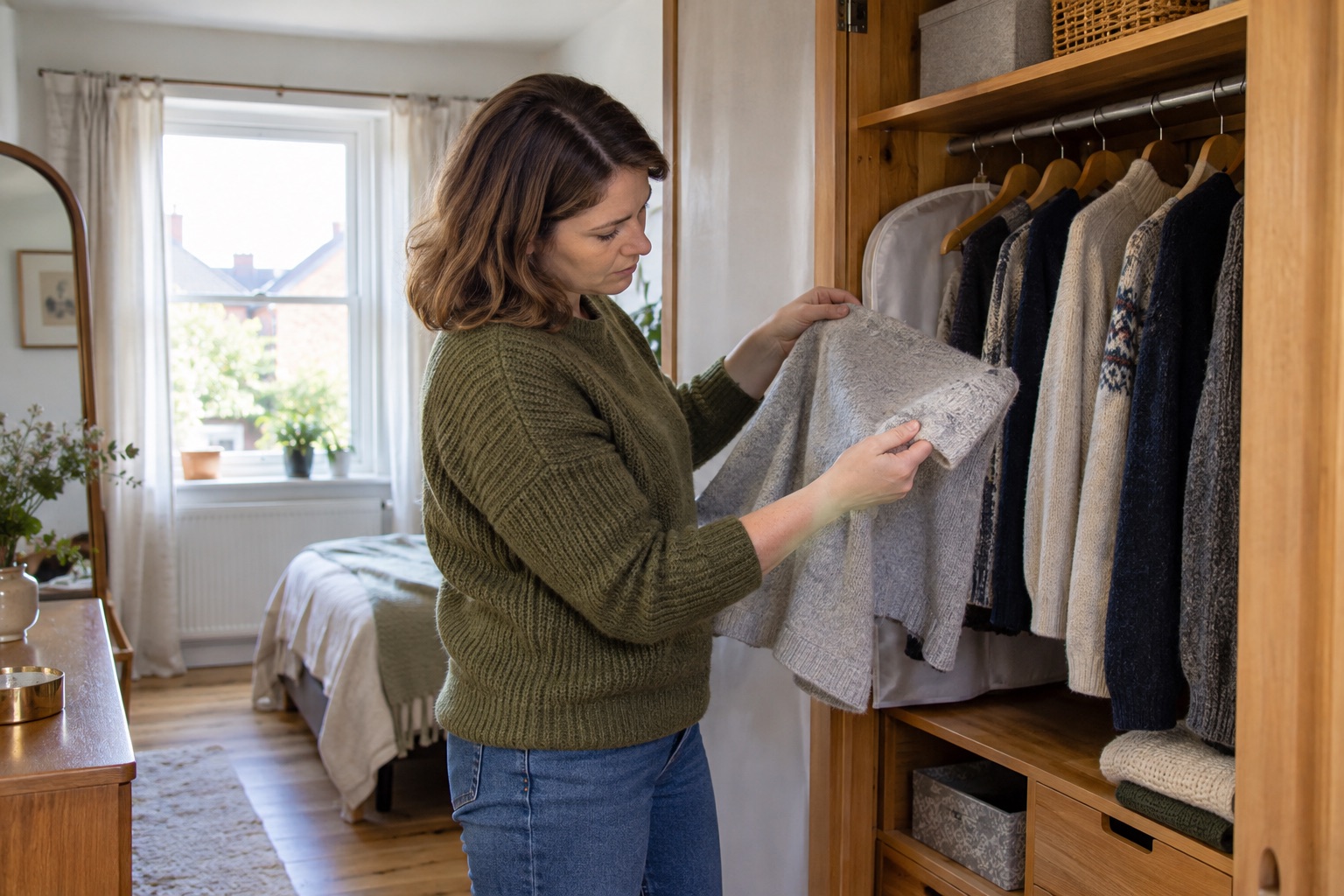 Clothes moths and stored garments: inspect before treatingDamage to a jumper or stored blanket can be distressing, but the damage itself does not identify the insect. Clothes moth larvae, other textile pests and ordinary wear can leave different evidence.Read article →
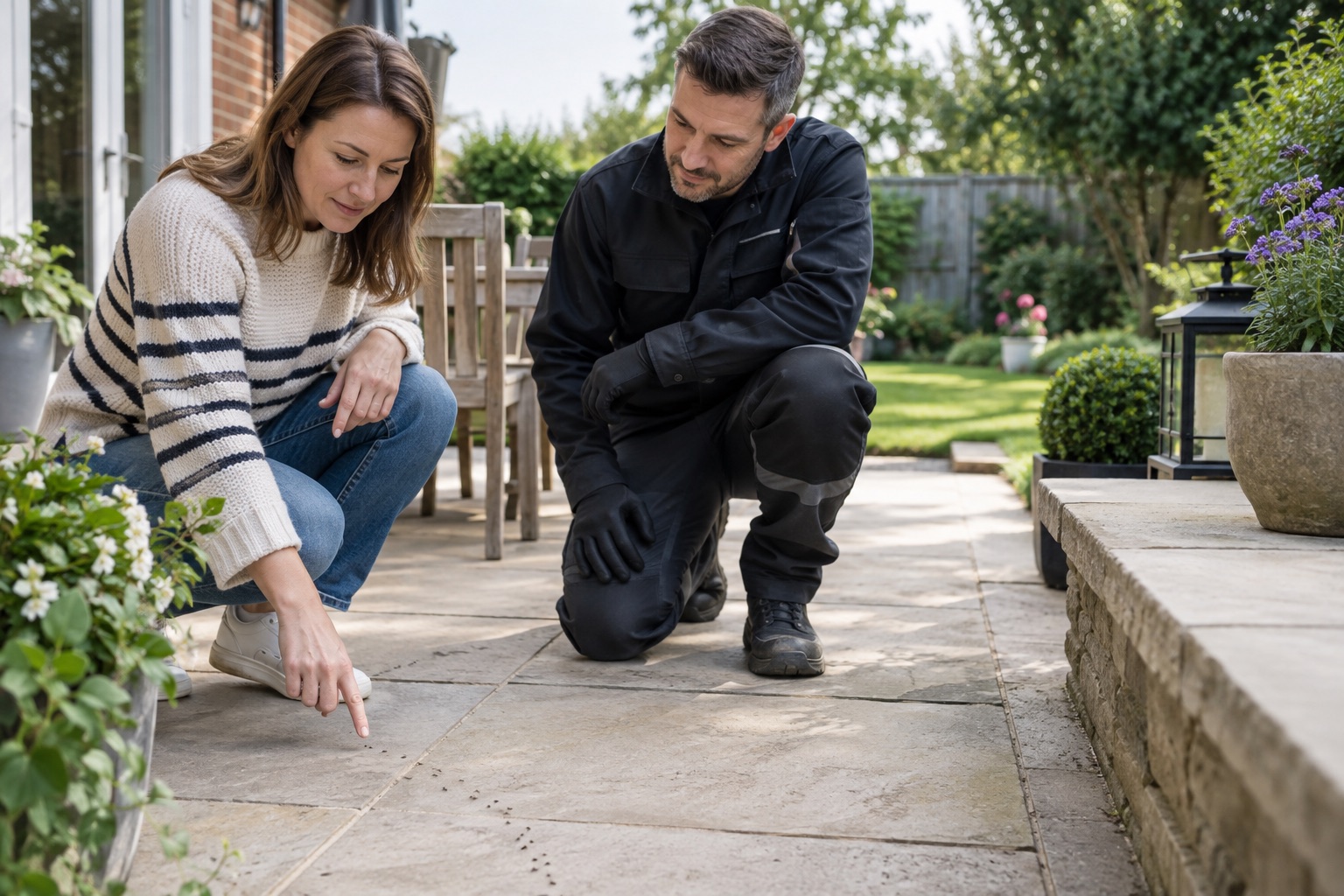 Garden ants around a patio: distinguish nuisance from damageAnts using the edge of a patio may be a seasonal nuisance without entering the house. Before deciding on treatment, work out whether the concern is an outdoor nest, an indoor trail or a specific access point.Read article →
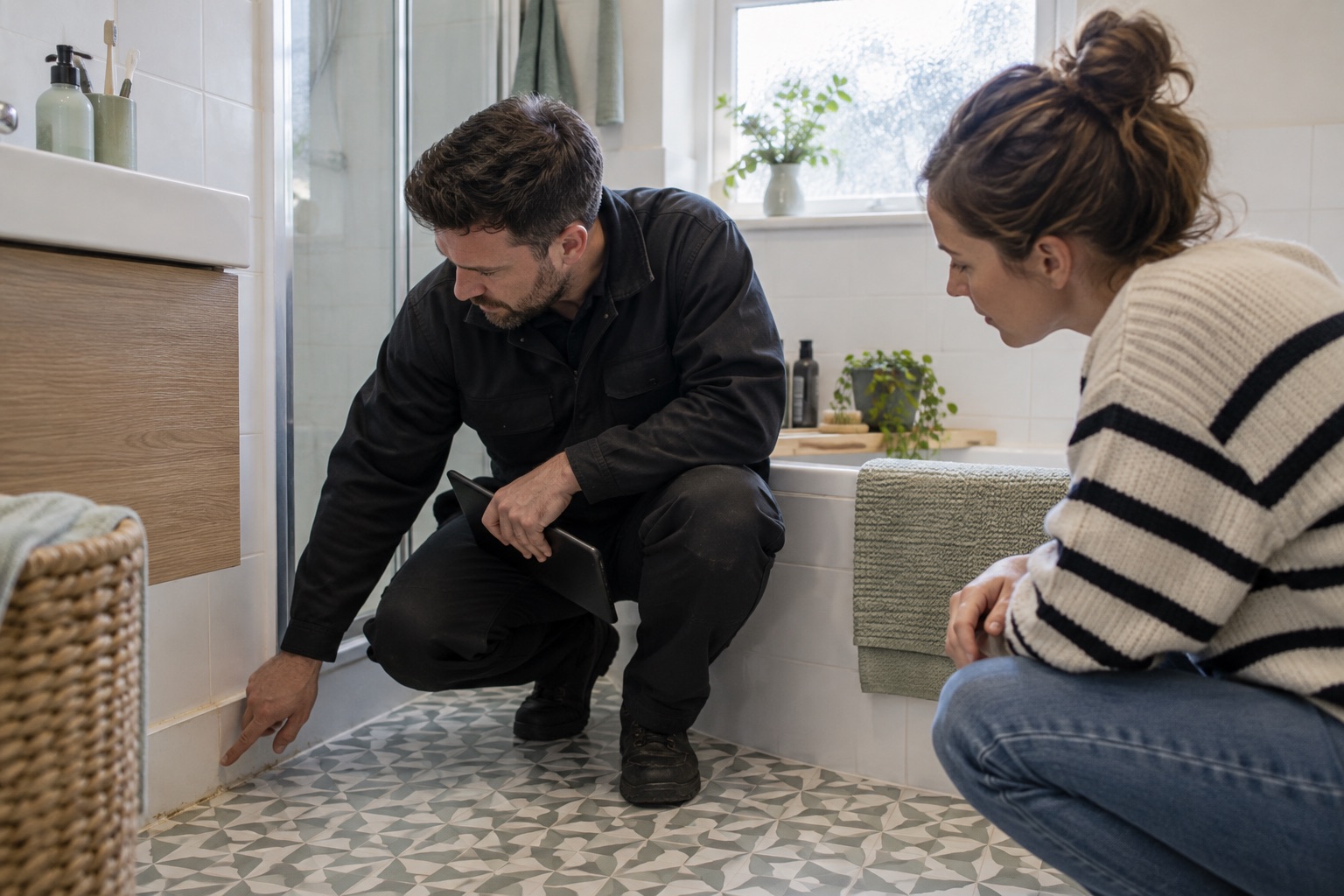 Silverfish in a bathroom: investigate the conditionsA silverfish sighting can prompt concern about a bathroom, but one insect does not prove a structural defect. Repeated sightings, moisture and hidden cracks deserve separate attention.Read article →
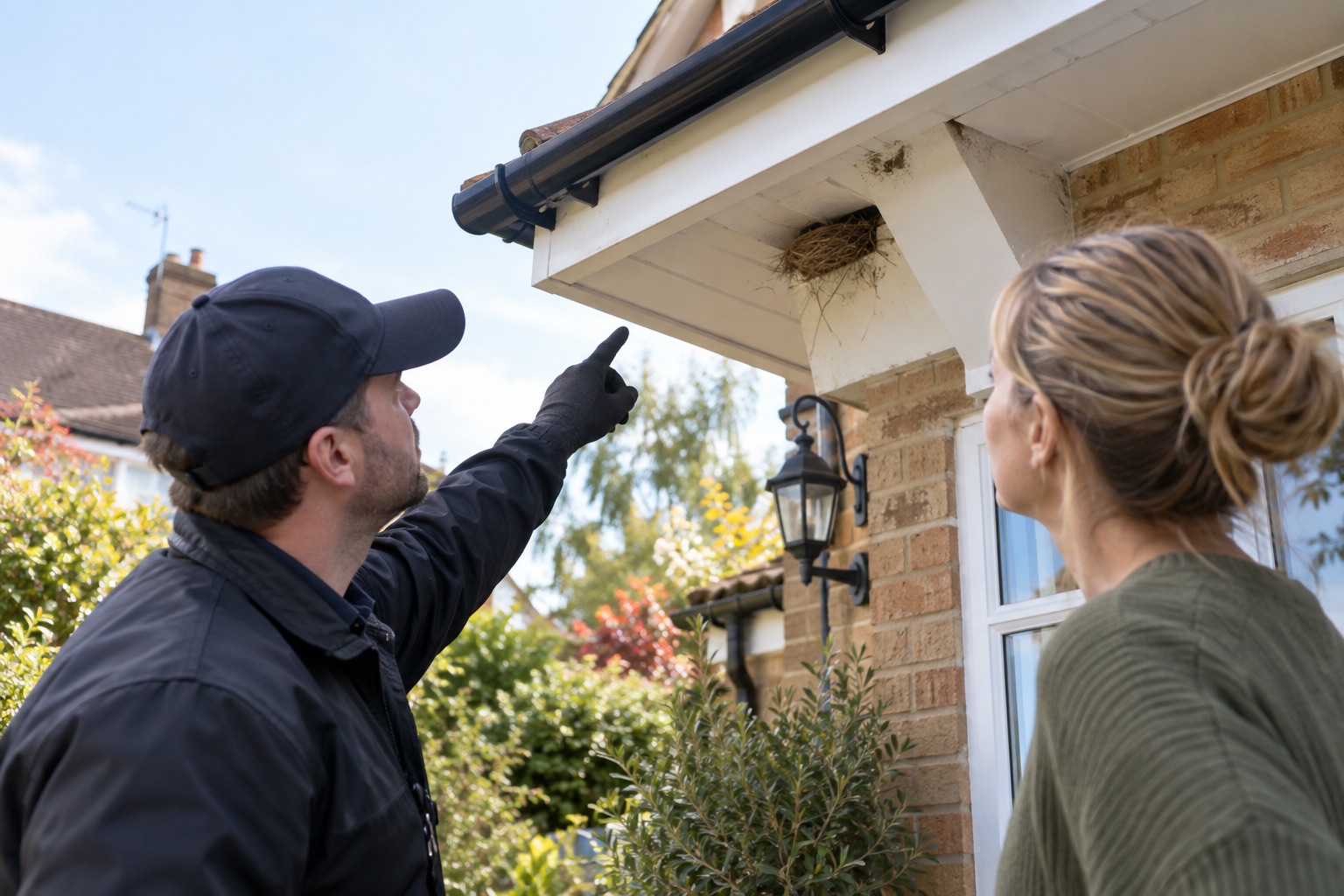 Bird mites: a careful response to suspected activityTiny moving specks near a window or roof space are not automatically bird mites. Identification matters, especially when people are experiencing irritation that can have many causes.Read article →
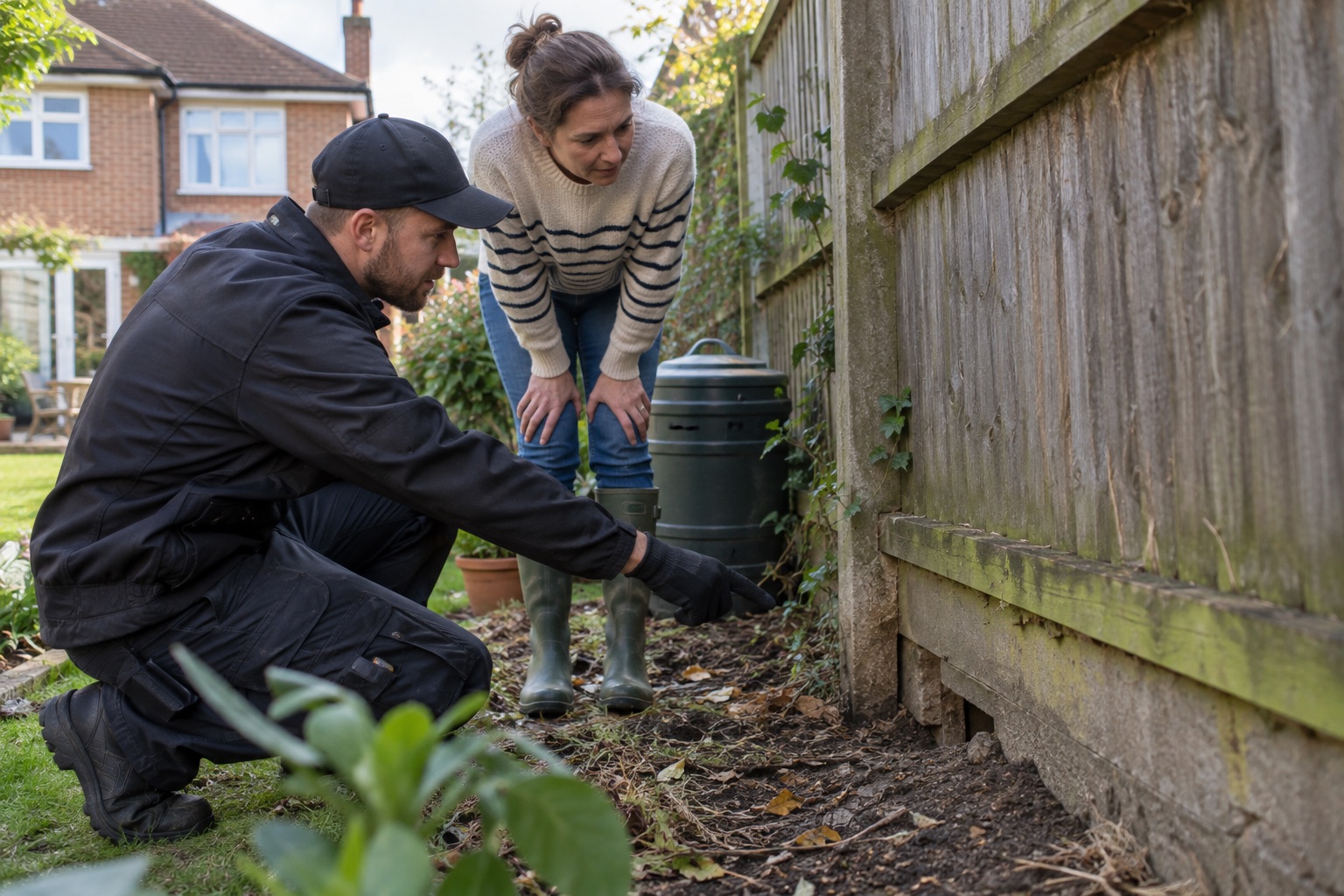 Urban rats: focus on routes, evidence and repairsA rat seen in a city street is not proof that it is entering your building. The useful questions are where activity occurs, whether the property offers food or shelter, and what openings may be involved.Read article →
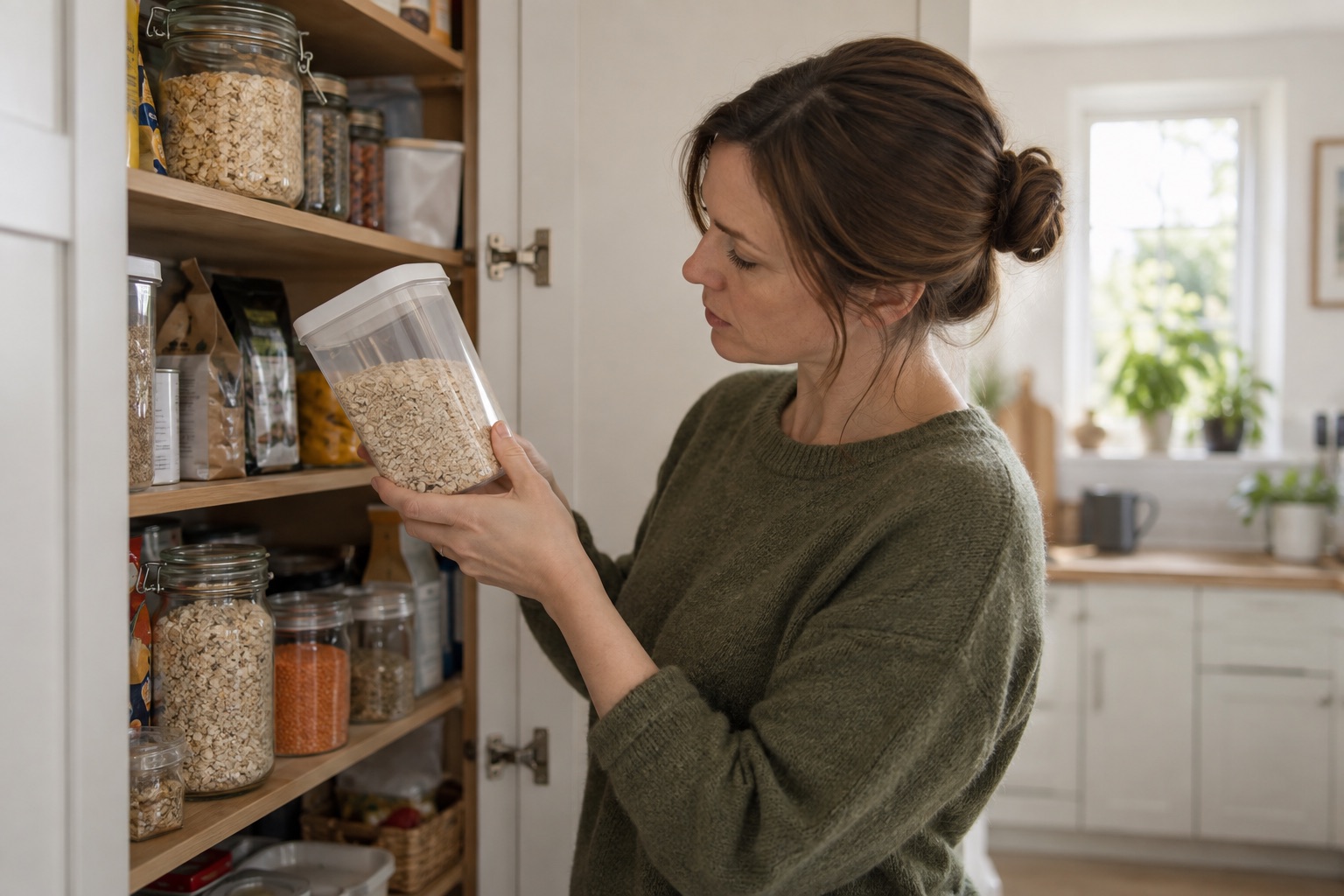 Pantry moths: check the food source before replacing everythingA moth in a kitchen does not automatically mean every cupboard item is affected. Pantry moths need to be distinguished from clothes moths and other small flying insects, then traced to a food source.Read article →
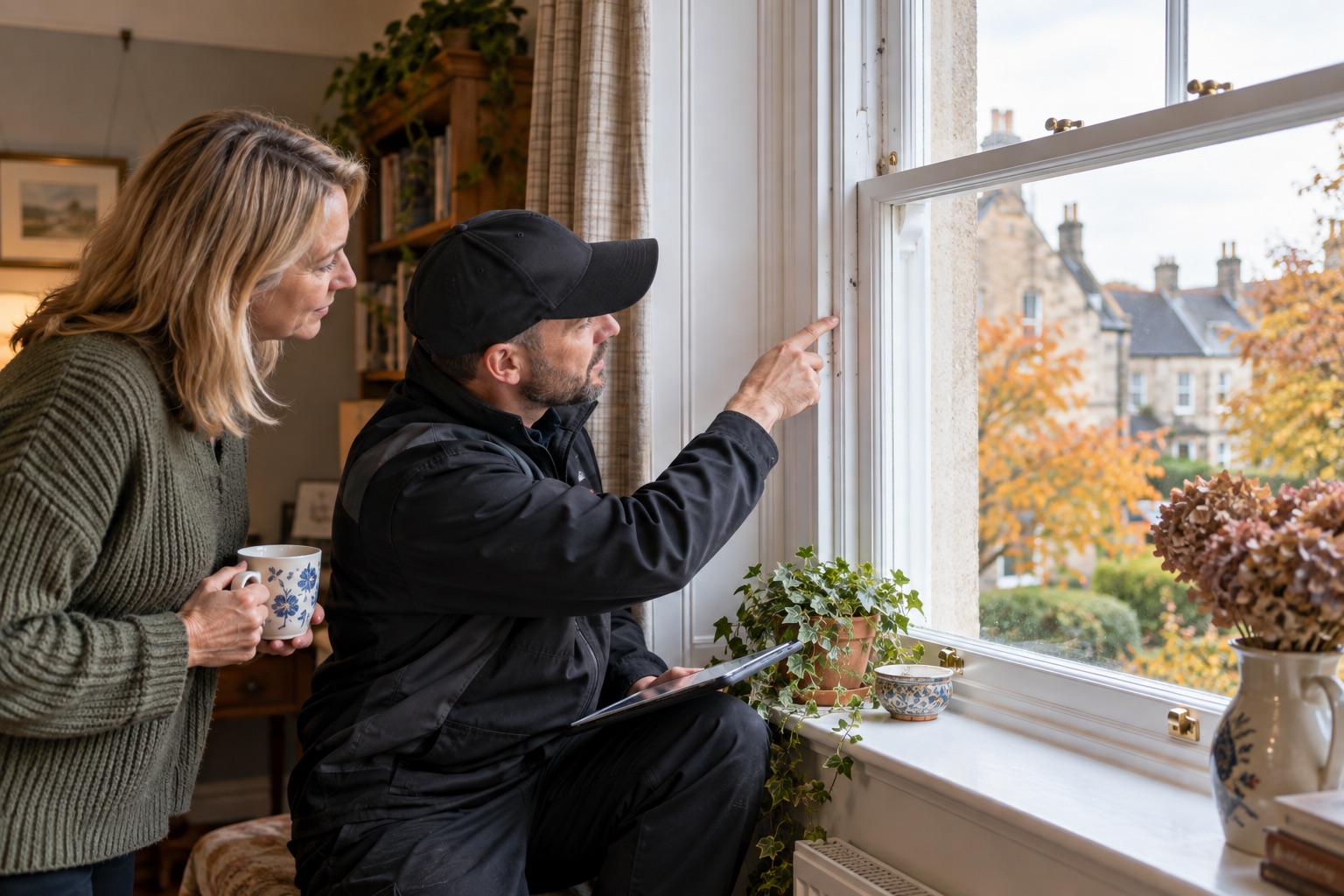 Cluster flies at an autumn window: identify before treatingA group of flies at a window in autumn can have several explanations. Location and season help, but identification still matters before anyone treats a loft or wall void.Read article →
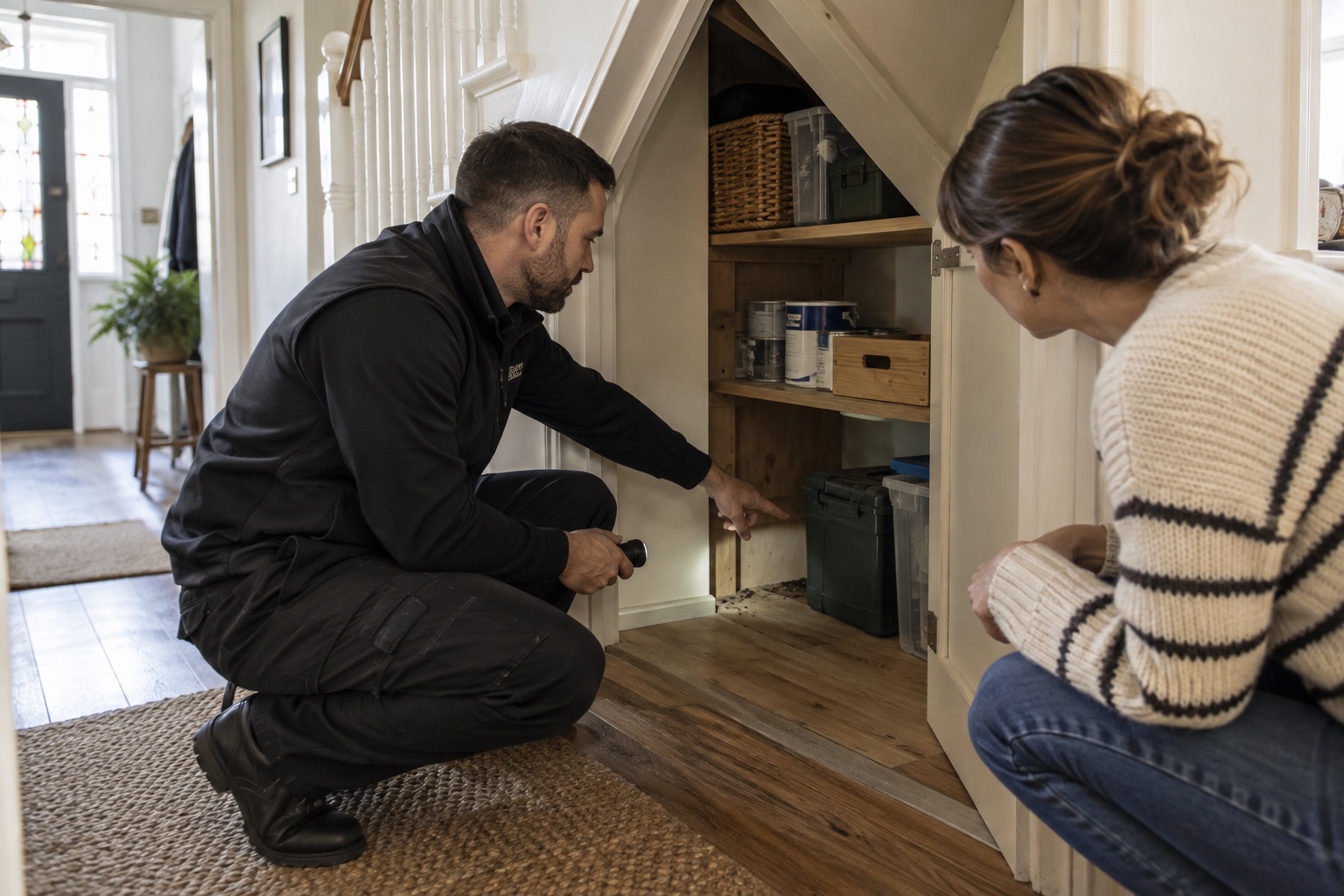 Mouse signs in a London home: the cost of leaving gaps openA scratching sound or damaged packet can be worrying, but neither identifies a mouse on its own. The earlier you record precise evidence, the easier it is to agree a useful inspection and repairs.Read article →
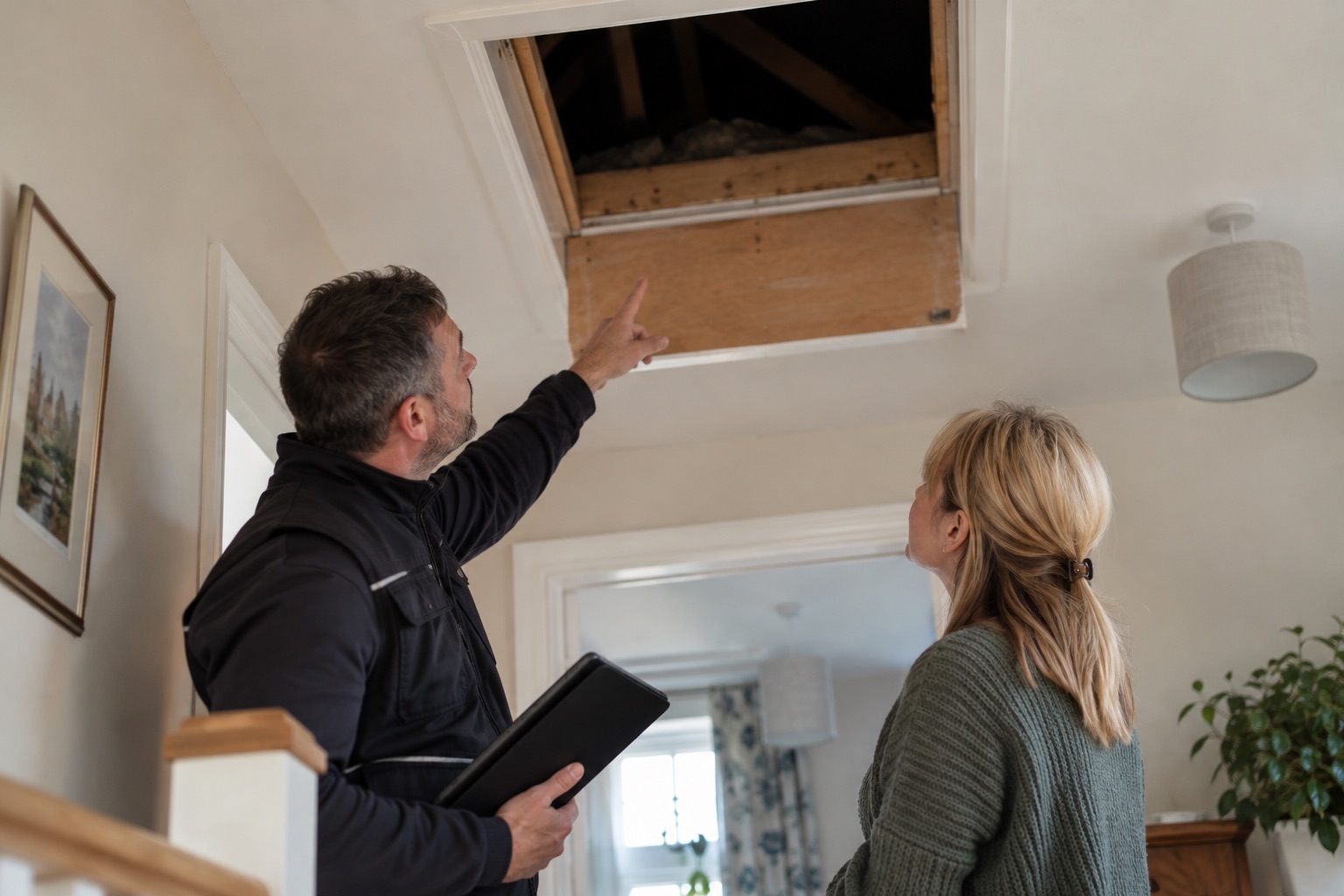 Squirrels in a loft: record the signs and arrange a safe surveyActivity over a ceiling is not automatically a squirrel. Birds, rodents and building movement can create different sounds. The safe first step is to record what happens and avoid entering an unsafe loft.Read article →
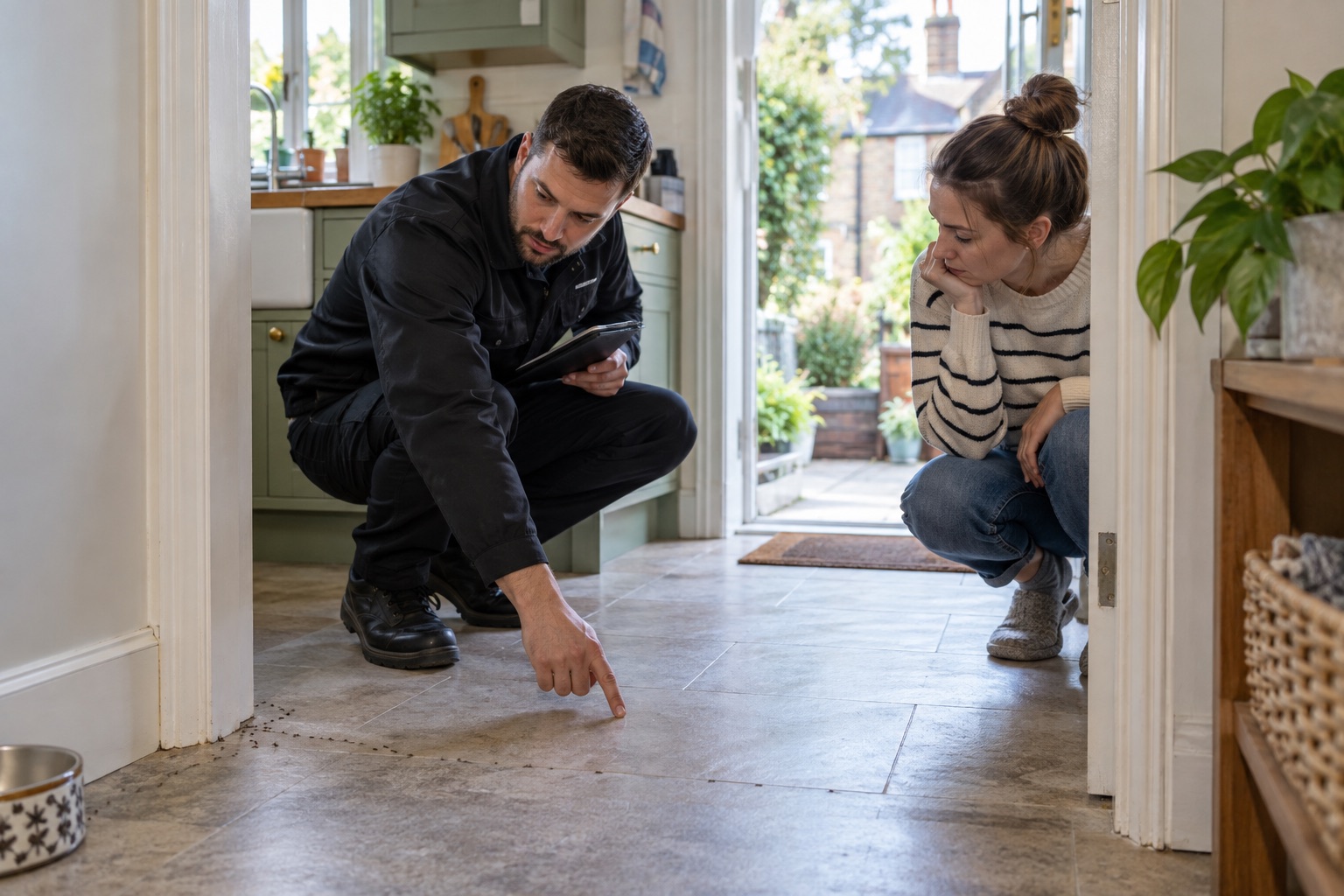 Ants in London homes: follow the trail to the sourceAn ant trail tells you where insects are travelling, not necessarily where they are nesting. One doorway, food cupboard or window may be the useful starting point for an assessment.Read article →
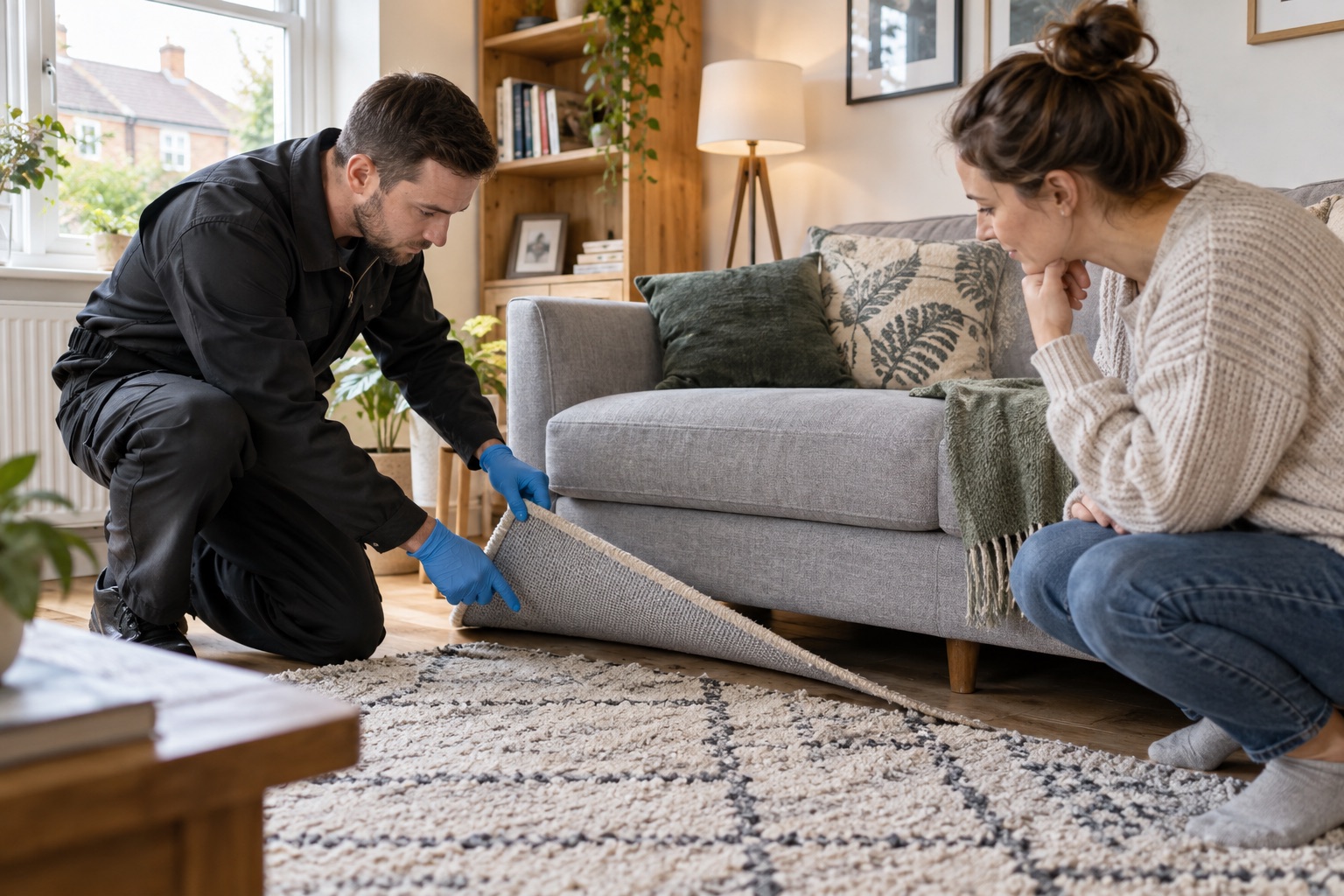 Fleas in a home without pets: questions worth askingNot keeping a pet does not identify or rule out fleas. A previous occupant, visiting animal or another source may be relevant, but the insect should be identified rather than inferred from skin irritation.Read article →
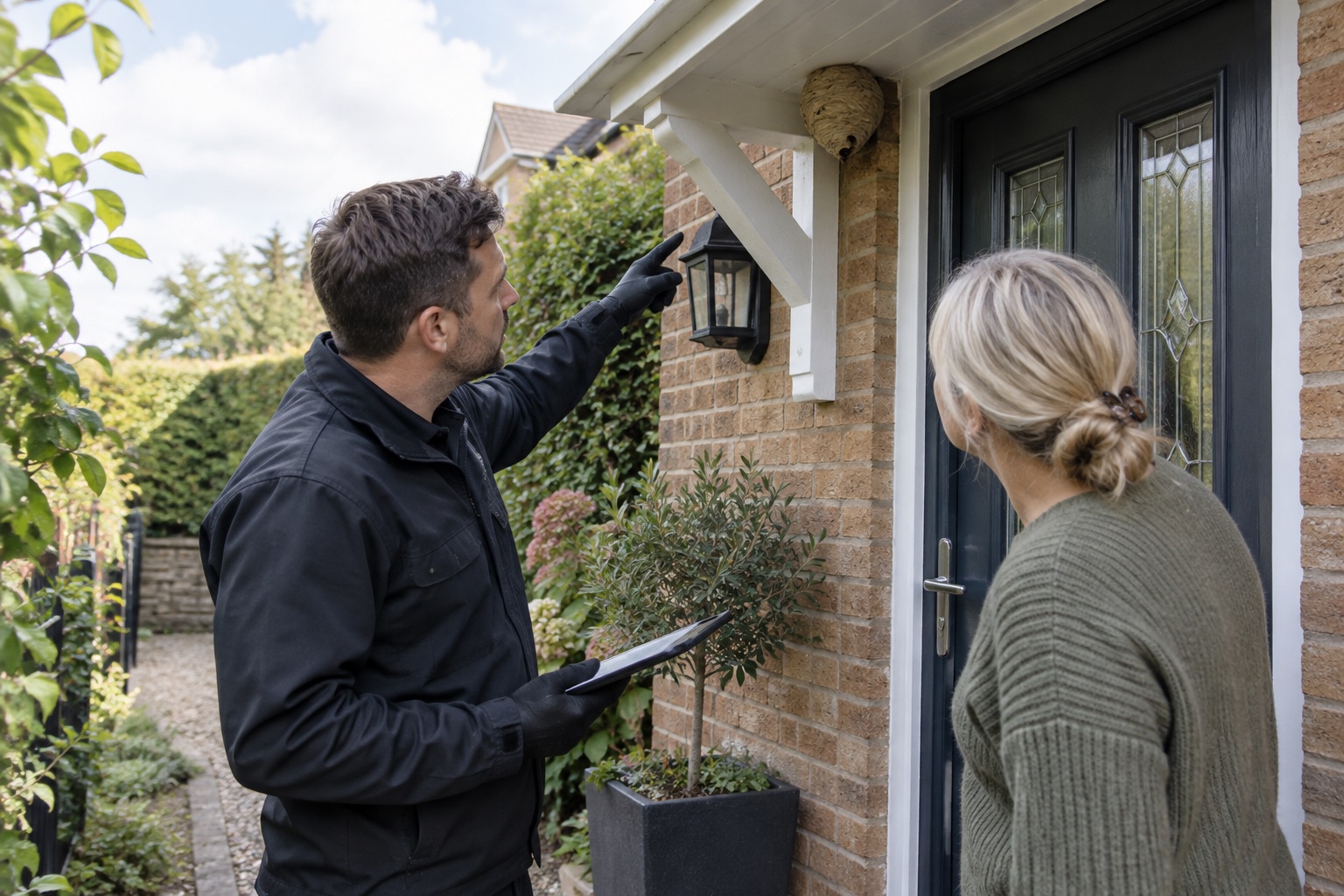 A wasp nest near your home: what to do before removalA few wasps visiting flowers or bins do not prove a nest is on your property. Repeated travel through one opening may be relevant, especially near a door or area people need to use.Read article →
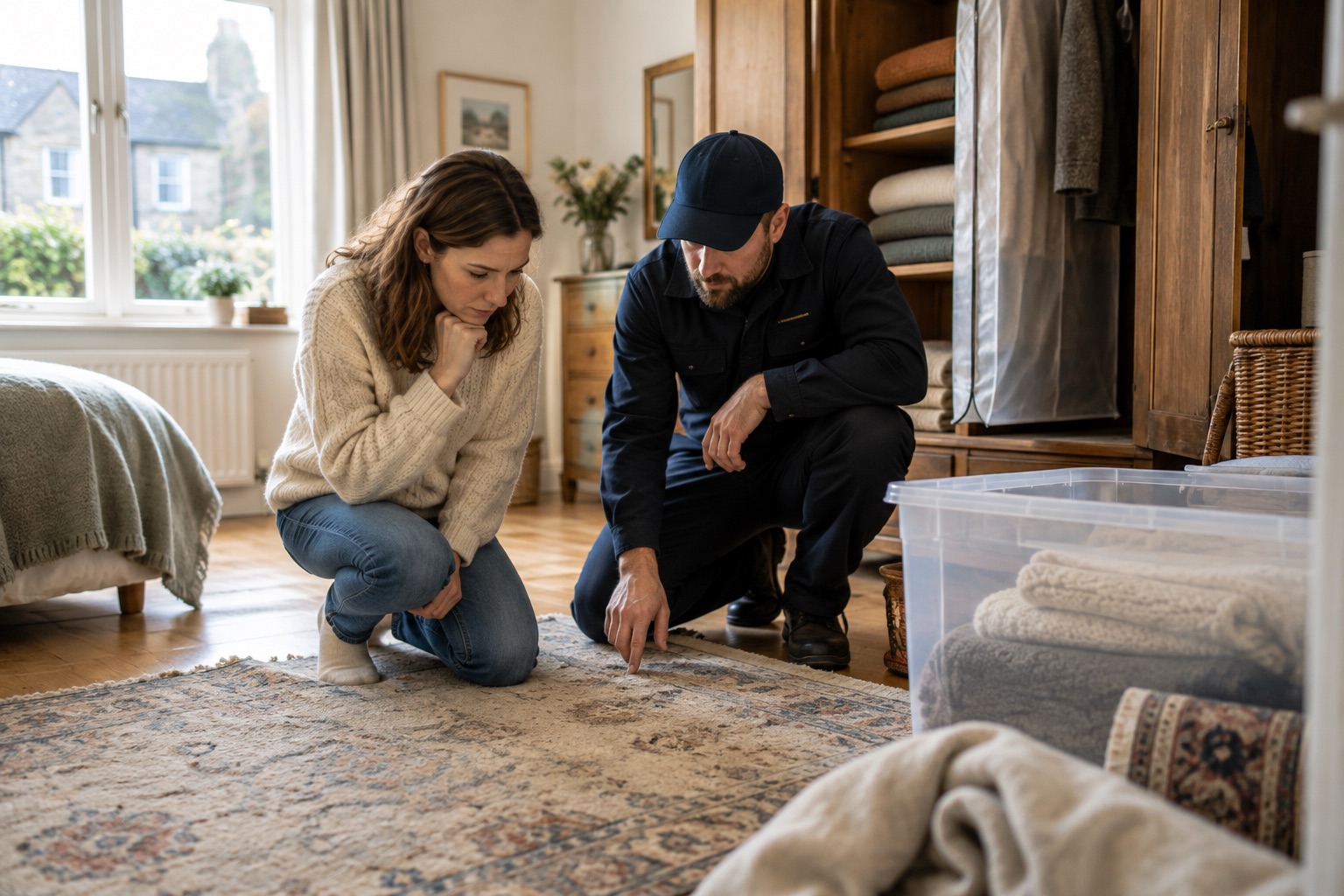 Carpet moth damage: identify the source before treating a rugDamage to a wool rug may be caused by a textile pest or ordinary wear. The position of the damage, stored fabric nearby and any insect evidence matter before a treatment is chosen.Read article →
 Pigeons on balconies and ledges: plan proofing around the buildingA balcony can have repeated pigeon visits while a nearby ledge remains unaffected. Proofing is more effective when the exact landing and roosting places are surveyed.Read article →
 Cockroach signs near an appliance: plan an inspectionAn insect near a fridge or cooker should be identified before being called a cockroach. If confirmed, the appliance location, food access and nearby gaps matter to the treatment plan.Read article →
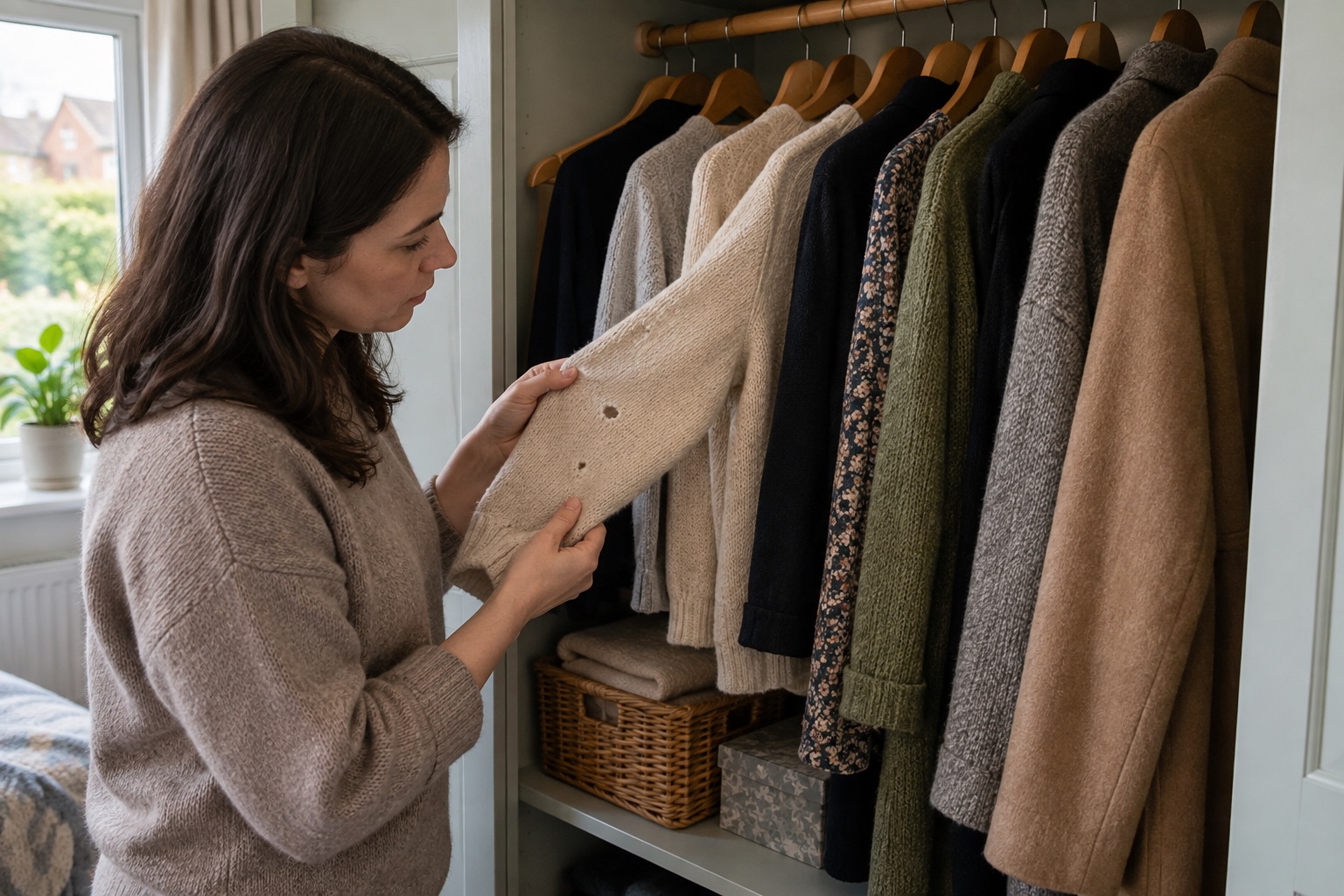 Clothes moths in a wardrobe: focus on larvae and materialsAn adult moth flying near a wardrobe is a clue, not proof that every garment is affected. Textile damage is usually linked to the immature stage, so the fabric and storage conditions need attention.Read article →
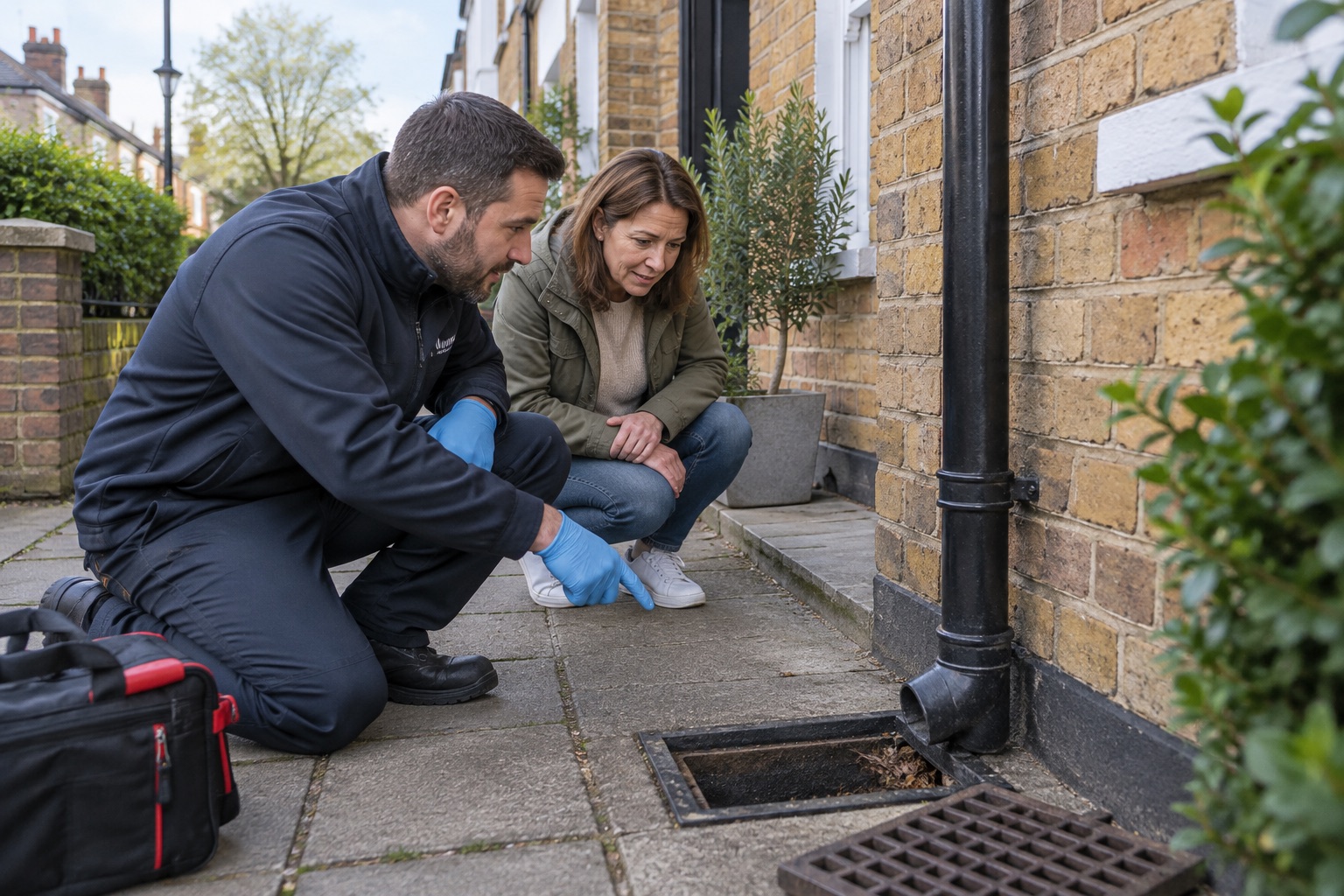 Rats around a London property: distinguish sightings from entryA rat on a boundary wall, near a drain or in a garden is not the same as a rat inside a home. Map the observations before assuming an entry point.Read article →
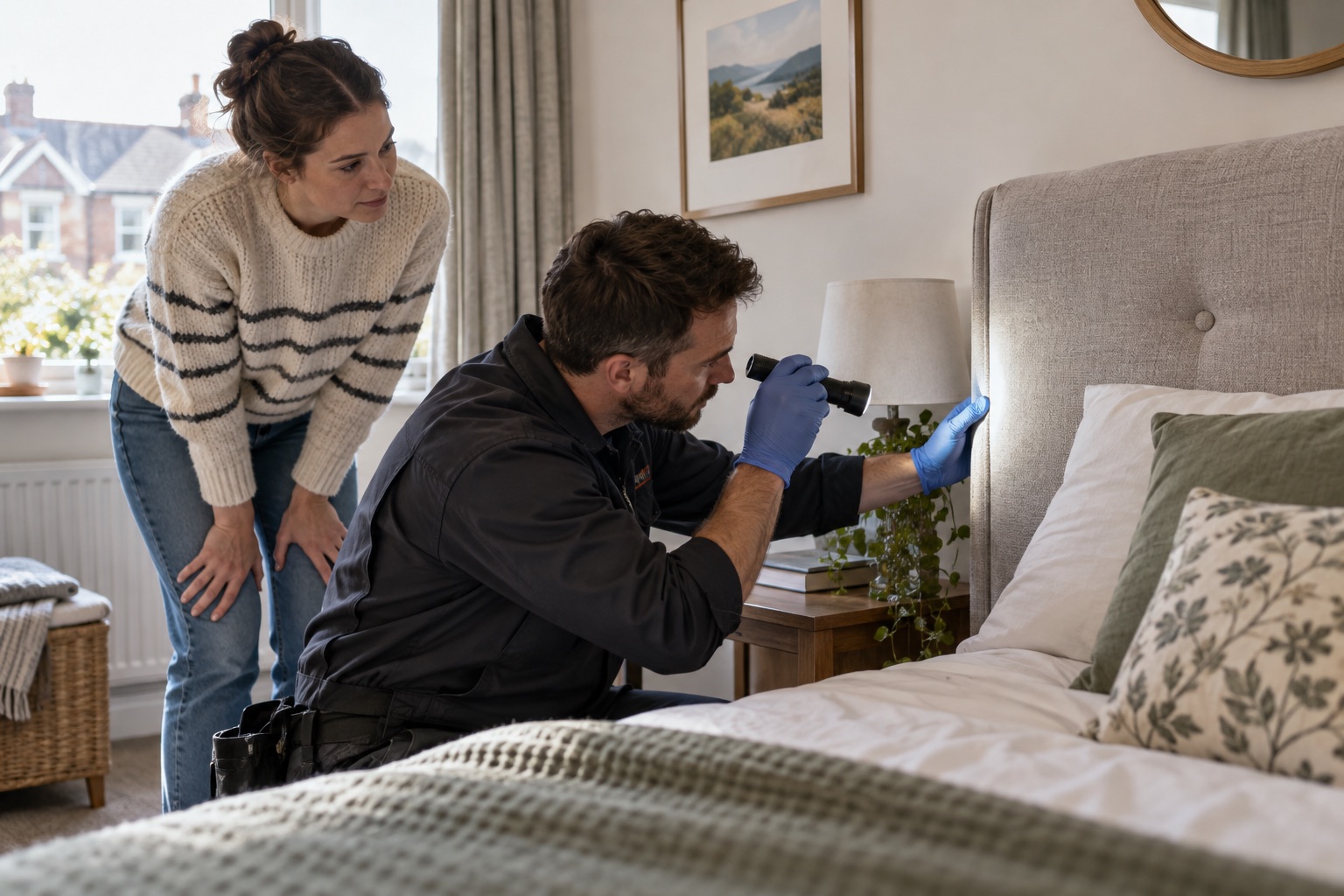 Bed bugs in a London home: practical first stepsThe fear of bed bugs can be more disruptive than the first signs themselves. A calm record of the actual evidence helps the team decide whether identification, inspection or a treatment quote is appropriate.Read article →
 Wasps around outdoor seating: assess the route safelyWasps visiting food outdoors are different from wasps repeatedly travelling to one opening. If a business or household seating area is affected, note the activity and its impact without approaching a possible nest.Read article →
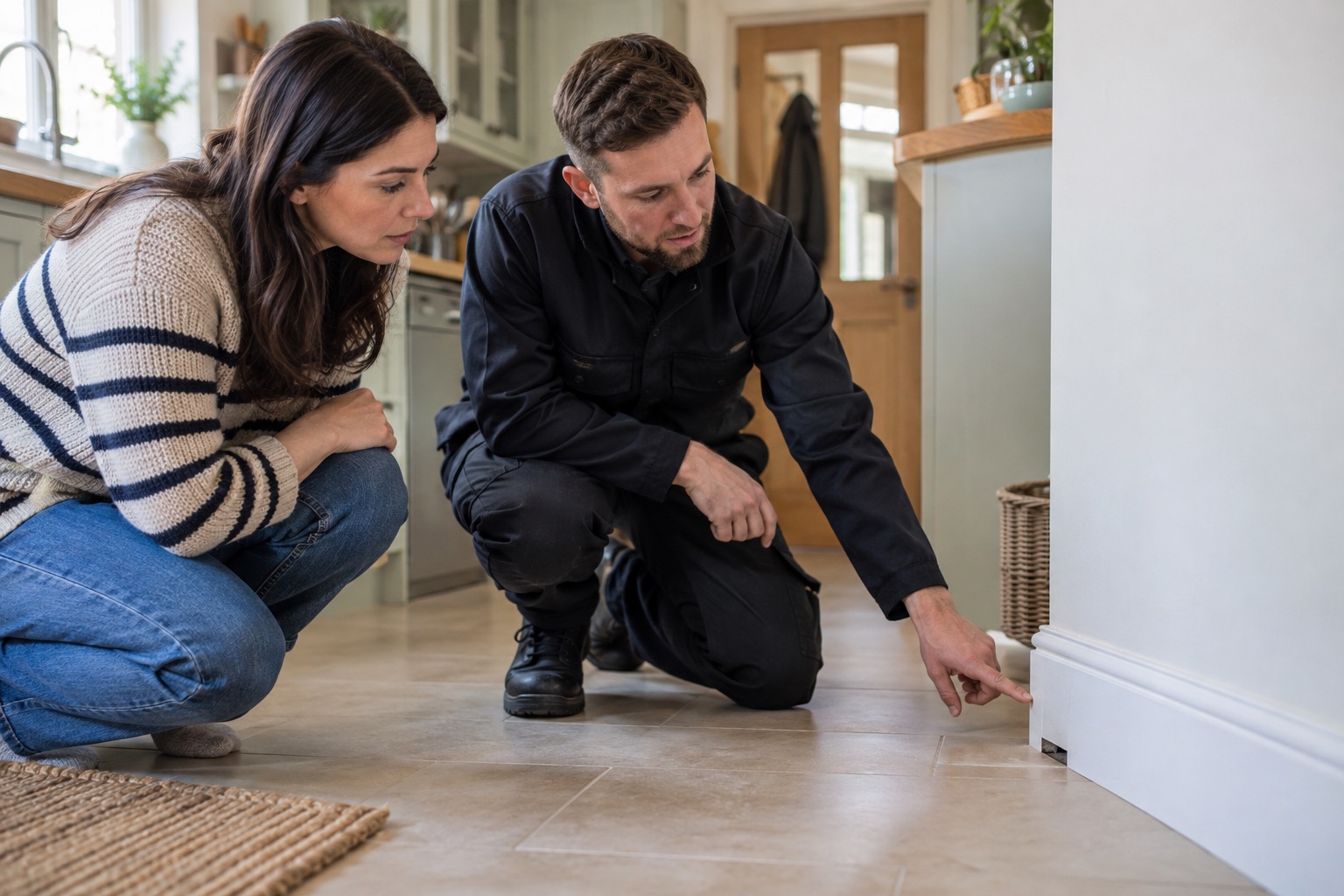 Where mice can enter a London home: an inspection checklistA tiny gap at a pipe, an ill-fitting door and a damaged vent are different repair jobs. Finding a possible opening does not prove it is in use; pair the building check with signs inside.Read article →
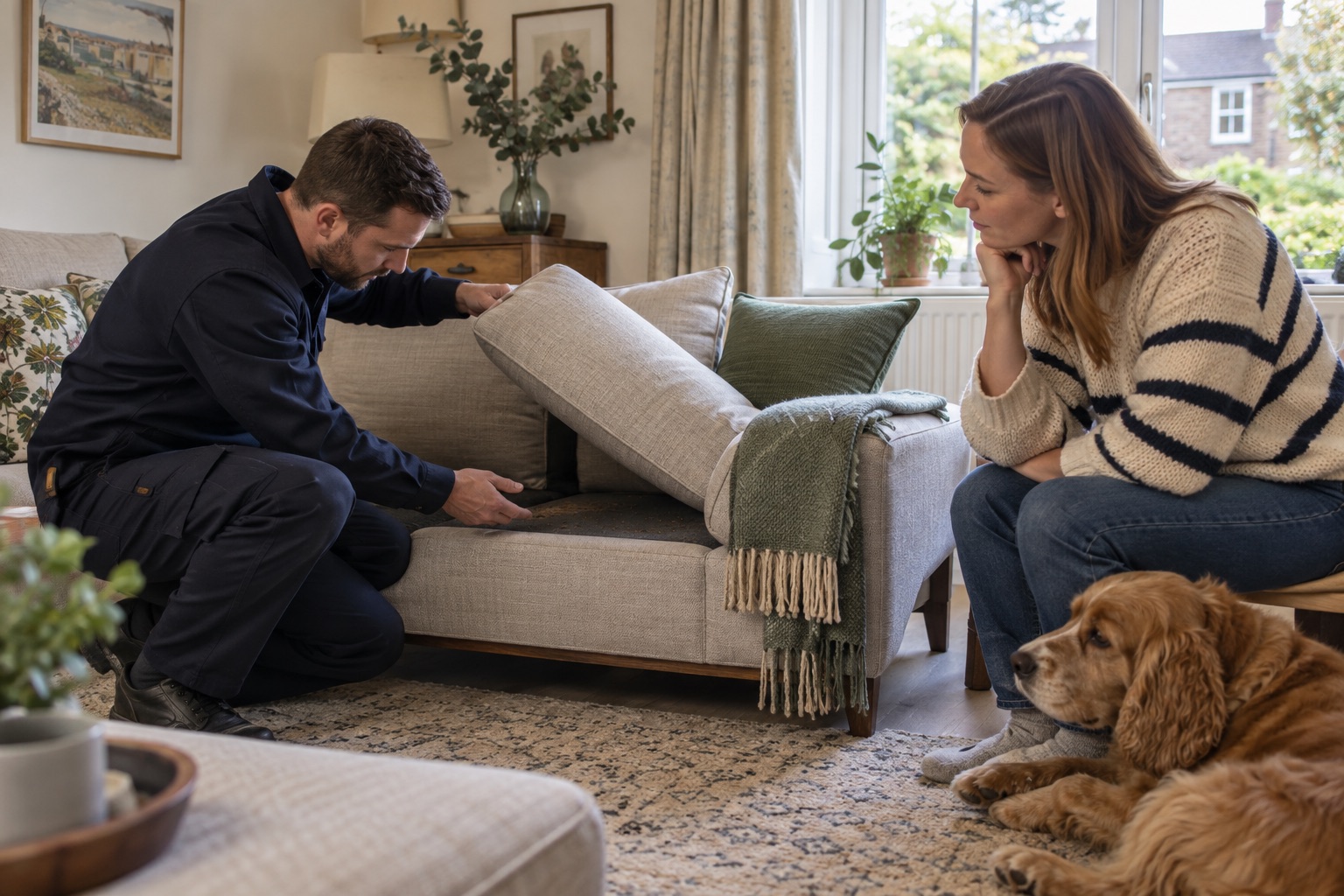 Fleas and soft furnishings: coordinate home and pet careA flea concern can involve flooring, bedding, seating and an animal, but the response for each is different. Confirm the insect before treating a whole room.Read article →
 Cockroaches in a shared kitchen: coordinate evidence and accessA report from one resident or worker in a shared kitchen should be recorded precisely. Different cupboards, appliances and waste areas may need different access, and one sighting should not be stretched into an assumed building-wide problem.Read article →
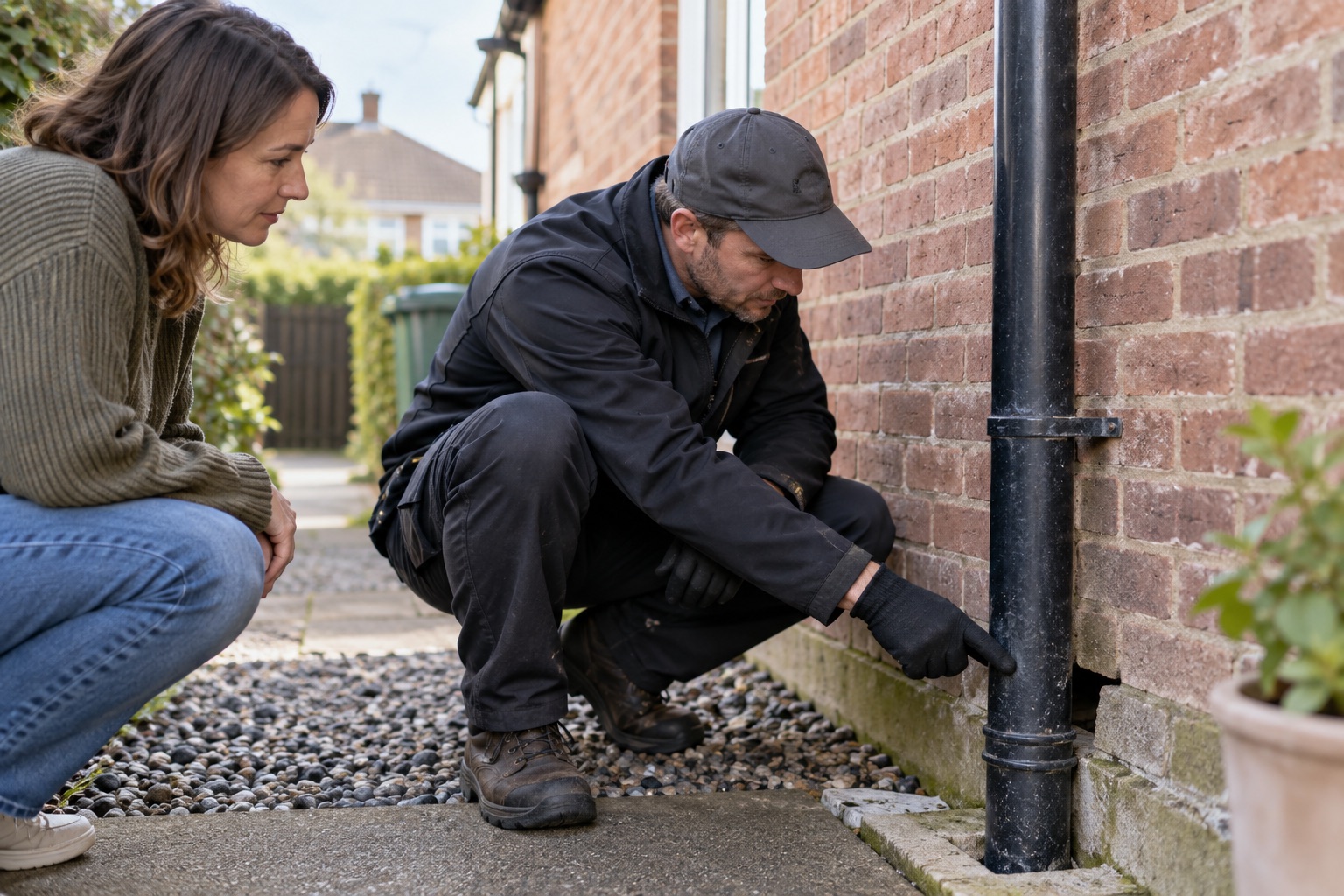 Rats returning after proofing: what to review nextFresh activity after a repair does not by itself show whether the repair failed, whether another route exists or whether the earlier signs were correctly interpreted. A useful review compares dated evidence with the original plan.Read article →
 Mice in a London flat: a clear first enquiryA suspected mouse in a flat raises practical questions about private rooms and shared building routes. A good first enquiry distinguishes what happened inside the flat from reports elsewhere.Read article →
More guidance
FROM THE BLOG
A useful guide for your next step.
Read a practical guide, then talk to us about your own property if you need advice.
Explore all guides → FEATURED GUIDEWhat to expect when you first call City PestKnow which details help on a first pest-control call, what can be decided remotely and what may need an inspection. Call 0203 393 2338.Read the guide
 A CLEAR NEXT STEP
Talk to us about your property.
Call now, or leave your details and we will discuss a no-obligation quotation.